
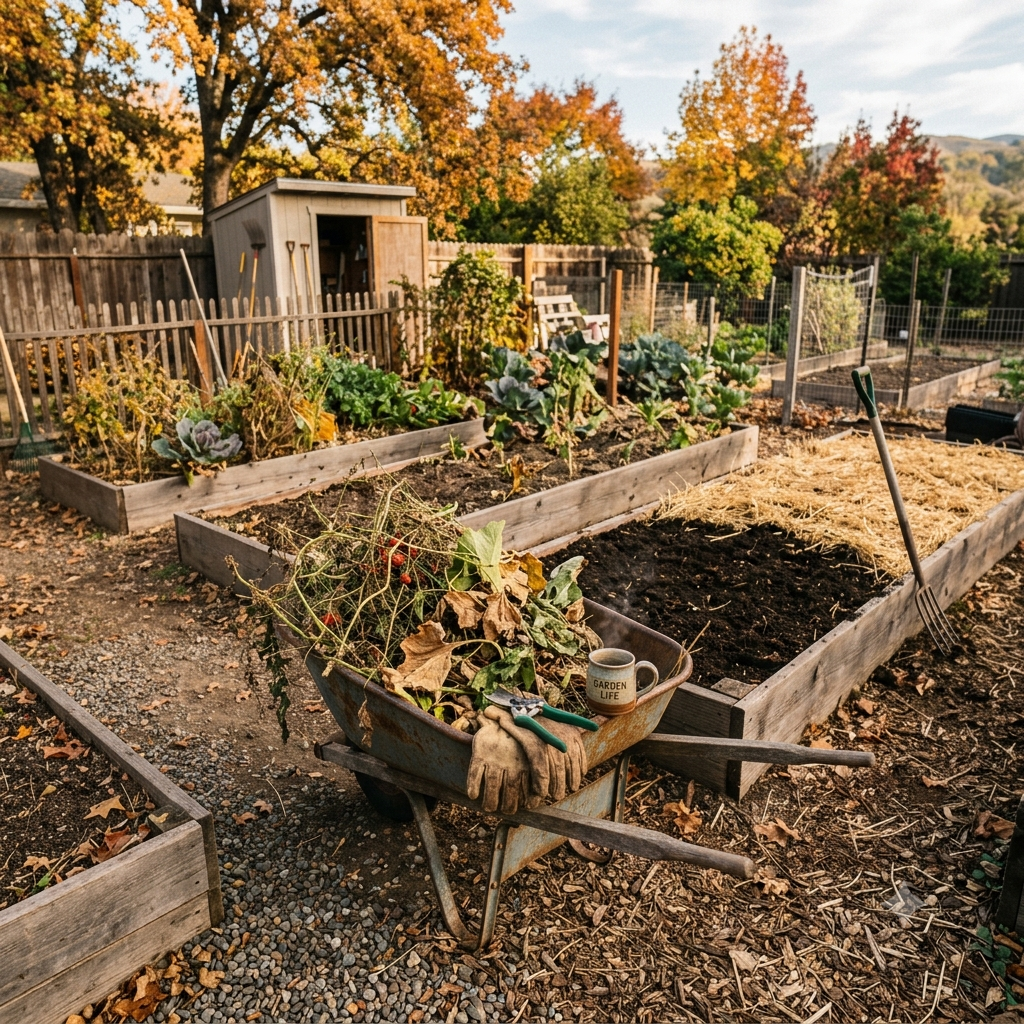
The Ultimate Fall Garden Cleanup Checklist: Your Complete Guide to Putting the Garden to Bed
There’s something bittersweet about fall, isn’t there? As you watch those vibrant summer blooms fade and the leaves begin their colorful descent, you might feel torn between wanting to hibernate yourself and knowing your garden needs one last bit of love before winter arrives.
Here’s the truth: skipping your fall garden cleanup is like going to bed without brushing your teeth. Sure, you can do it, but you’ll regret it come spring. A proper fall cleanup isn’t just about aesthetics—it’s your garden’s insurance policy against pests, diseases, and those frustrating spring delays when you’re itching to get your hands dirty again.
Whether you’re an experienced gardener looking to refine your end-of-season routine or someone who’s made it through a few growing seasons and wants to up their game, this comprehensive fall garden cleanup checklist will walk you through everything you need to do to set yourself up for success next year.
Let’s roll up those sleeves and get to work!
Why Fall Garden Cleanup Actually Matters
Before we dive into the nitty-gritty of your fall garden cleanup checklist, let’s talk about why this matters. Understanding the “why” makes the “what” so much easier to tackle.
Disease Prevention: Many plant diseases overwinter in dead foliage and debris. Clearing this away breaks the disease cycle.
Pest Control: Insect pests love to hunker down in plant debris, dead stalks, and fallen leaves. Removing their cozy winter homes reduces next year’s pest pressure significantly.
Spring Head Start: A clean fall garden means you can jump right into planting when spring fever hits, rather than spending those precious early warm days cleaning up soggy, moldy debris.
Soil Health: Proper fall preparation protects and enriches your soil, giving you better growing conditions come spring.
Now that you’re convinced (you are convinced, right?), let’s get into the actual work.
Your Complete Fall Garden Cleanup Checklist
1. Assess and Prioritize Your Garden Areas
Don’t just rush in with rake and shears blazing. Take an afternoon to walk through your garden with a notebook and really observe what needs attention.
What to look for:
- Areas with obvious disease problems
- Sections that underperformed this year
- Structures that need repair
- Tools and equipment that need maintenance or replacement
This assessment helps you create a logical order of operations rather than bouncing randomly between tasks.
2. Remove Dead and Diseased Plant Material
This is the cornerstone of any fall garden cleanup checklist. Dead plants harbor diseases and pests, so they’ve got to go.
Your action plan:
- Cut back perennials: Most perennials should be cut back to 3-4 inches above ground level. Use clean, sharp pruners to make quick work of this task.
- Pull out spent annuals: These are done for the year, so yank them out completely, roots and all.
- Remove diseased plants entirely: If you had tomatoes with blight, roses with black spot, or phlox with powdery mildew, remove these plants completely. Do NOT compost diseased material—bag it and toss it in the trash.
- Clear vegetable garden beds: Remove all finished crops, including roots when possible. Lingering vegetable debris can harbor diseases specific to those plant families.
Important exception: Some gardeners choose to leave certain perennial stalks standing for winter interest and to provide habitat for beneficial insects. Plants like coneflowers, black-eyed Susans, and ornamental grasses can stay if they’re healthy. This is a personal choice based on your priorities.
3. Deal with Those Fallen Leaves
Ah, leaves—the double-edged sword of autumn. They’re beautiful, free mulch and compost material, but also a potential suffocation hazard for your lawn and perennials.
Smart leaf management:
- Don’t rake them off completely: Shredded leaves make fantastic mulch and add organic matter to soil.
- Mulch them in place: Run your lawn mower over leaves to shred them, then either leave them on the lawn (if it’s a thin layer) or collect and spread them around garden beds.
- Create leaf mold: Pile whole leaves in a corner, keep them moist, and let them decompose for a year. You’ll have incredible, crumbly compost gold.
- Remove diseased tree leaves: If your trees had fungal issues, don’t use those leaves in the garden. Dispose of them separately.
4. Tackle the Weeds (Yes, Even in Fall)
I know, I know—you thought you were done with weeding. But fall weeding is actually one of the most important items on your fall garden cleanup checklist.
Why fall weeding matters:
- Many weeds set seed in fall, creating next year’s problems
- Winter annual weeds germinate in fall and get established before winter
- It’s much easier to pull weeds from soft fall soil than frozen spring ground
Focus on:
- Removing any weeds that have gone to seed (bag and trash these)
- Pulling winter annuals like chickweed and henbit while they’re small
- Digging out perennial weed roots before they bulk up over winter
5. Tend to Your Garden Beds and Soil
Your soil is the foundation of everything your garden will accomplish next year. Give it some love now.
Essential soil tasks:
6. Care for Trees and Shrubs
Your woody plants need some autumn attention too.
Tree and shrub checklist:
- Prune strategically: Remove dead, diseased, or crossing branches. Save major pruning for late winter, but clean up obvious problems now.
- Water deeply: If you’re experiencing drought, give trees and shrubs a deep watering before the ground freezes. This is especially crucial for evergreens.
- Protect tender specimens: Wrap young tree trunks to prevent sun scald and rodent damage. Apply burlap screens around evergreens in exposed locations.
- Plant new additions: Fall is actually the best time to plant trees and shrubs. They establish roots over winter and hit the ground running in spring.
7. Divide and Transplant Perennials
Fall is prime time for perennial division and relocation.
Best candidates for fall division:
- Spring and early summer bloomers (peonies, irises, daylilies)
- Overcrowded hostas
- Sprawling bee balm or black-eyed Susans
- Most ornamental grasses
How to do it:
8. Prepare Your Lawn for Winter
Your lawn is part of your garden ecosystem and deserves a spot on your fall garden cleanup checklist.
Lawn care tasks:
- Final mowing: Gradually lower mowing height for the last few cuts, ending at about 2-2.5 inches
- Aerate: Core aeration relieves compaction and allows water and nutrients to penetrate
- Overseed: Early fall is perfect for overseeding cool-season grasses
- Fertilize: Apply a fall fertilizer to build root strength for winter
- Rake up excessive thatch: Some is fine, but thick layers invite disease
9. Clean, Maintain, and Store Garden Tools and Equipment
You’d be amazed how many springs start late because tools weren’t properly stored.
Tool maintenance checklist:
- Clean everything: Remove soil, sap, and debris from all tools
- Sharpen blades: Pruners, shears, hoes, and mower blades all work better sharp
- Oil and lubricate: Prevent rust by oiling metal parts
- Drain fuel: Empty gas from mowers and tillers, or add fuel stabilizer
- Store properly: Keep tools dry and organized for easy spring access
- Inventory supplies: Note what you’re out of so you can shop off-season sales
10. Protect and Drain Irrigation Systems
Don’t let frozen pipes destroy your irrigation investment.
Winterization steps:
- Drain all hoses and store them indoors
- Shut off outdoor water valves
- Blow out irrigation systems (or hire a pro)
- Bring in rain barrels or ensure they won’t crack when frozen
- Drain and store watering cans
11. Garden Structure Maintenance
Check and repair garden infrastructure before winter weather reveals weaknesses.
Inspect and repair:
- Fencing: Tighten loose posts, replace damaged sections
- Trellises and arbors: Repair broken parts, reinforce wobbly structures
- Raised beds: Replace rotting boards, reinforce corners
- Pathways: Fill in low spots, add fresh mulch or gravel
- Garden furniture: Clean and store or cover outdoor furniture
12. Final Harvests and Continuing Care
Some of your fall garden cleanup checklist involves celebrating what’s still growing!
Don’t forget to:
- Harvest remaining vegetables (many taste better after frost)
- Pick the last herbs and preserve them
- Collect seeds from favorite plants
- Pot up herbs to bring indoors
- Plant spring bulbs (tulips, daffodils, crocuses)
- Plant garlic for next summer’s harvest
- Water new plantings until the ground freezes
Creating Your Personal Timeline
Your fall garden cleanup checklist doesn’t have to happen all at once. Here’s a realistic timeline:
Early Fall (September):
- Divide and transplant perennials
- Plant spring bulbs
- Overseed lawns
- Begin general cleanup
Mid-Fall (October):
- Continue removing spent plants
- Add compost to beds
- Plant garlic
- Final lawn care
Late Fall (November):
- Apply winter mulch after ground freezes
- Final tool cleanup and storage
- Drain irrigation systems
- Protect vulnerable plants
Common Fall Garden Cleanup Mistakes to Avoid
Even experienced gardeners can fall into these traps:
Cutting back too early: Wait until plants are truly done or you’ll sacrifice late-season blooms and beneficial insect habitat.
Composting diseased material: Seriously, don’t do it. Home compost piles rarely get hot enough to kill pathogens.
Over-mulching: More isn’t better. Too much mulch smothers plants and creates pest habitat.
Forgetting to water: Fall rains aren’t always sufficient, especially for new plantings and evergreens.
Waiting until everything freezes: Frozen ground makes every task ten times harder.
FAQ: Your Fall Garden Cleanup Questions Answered
1. When is the best time to start fall garden cleanup?
The ideal time varies by climate, but generally, you should start your fall garden cleanup checklist in mid-to-late fall when plants begin to naturally die back but before the ground freezes hard. In most regions, this means starting in late September to early October and finishing by mid-November. Watch your plants—they’ll tell you when they’re ready by yellowing and dying back naturally.
2. Should I leave any plants standing over winter?
Absolutely! Leaving some perennial seed heads standing provides winter food for birds and habitat for beneficial insects. Good candidates include coneflowers, black-eyed Susans, sedum, ornamental grasses, and Joe Pye weed. Just make sure these plants are healthy and disease-free. You can cut them back in early spring before new growth emerges.
3. Is it necessary to remove all fallen leaves from my garden?
No, and you actually shouldn’t! Leaves are free organic matter and valuable mulch. The key is shredding them (with a mower) and distributing them in a layer no thicker than 2-3 inches. Thick, matted layers of whole leaves can smother plants and create disease problems, but shredded leaves provide excellent winter protection and decompose into rich compost.
4. Can I add fresh grass clippings and leaves to my garden beds in fall?
Shredded leaves are excellent for fall garden beds, but fresh grass clippings are better added to your compost pile or used as a thin layer in vegetable beds. If you apply thick layers of fresh grass clippings, they can mat down and create a slimy, anaerobic mess. Mix them with leaves or other brown materials, or compost them first for best results.
5. Do I need to cover my perennial garden beds for winter?
In most climates, healthy established perennials don’t need covering—they’re naturally adapted to survive winter. However, you should apply 2-3 inches of mulch after the ground freezes to prevent frost heaving. Tender perennials in cold climates may benefit from additional protection like burlap screens or mulch mounds. New plantings appreciate extra protection their first winter.
Conclusion: Set Yourself Up for Spring Success
Your fall garden cleanup checklist might seem overwhelming when you look at it all together, but remember—you don’t have to do everything in one weekend. Break it down, tackle one section at a time, and enjoy these cooler working conditions while they last.
The beauty of doing a thorough fall cleanup is the gift you’re giving your future self. When spring fever hits and you’re desperate to get your hands in the dirt, you’ll be able to jump straight into the fun stuff—planting and planning—rather than dealing with soggy, moldy debris from last year.
Plus, there’s something deeply satisfying about putting the garden to bed properly. It’s a ritual that honors the growing season that’s ending and sets the stage for next year’s success.
Ready to get started? Pick one task from this fall garden cleanup checklist and do it today. Then another tomorrow. Before you know it, your garden will be tucked in and ready for winter, and you’ll be ready to enjoy the holidays knowing spring preparation is already handled.
Your spring self will thank you. Trust me on this one.
Now get out there and show your garden some love—it’s been good to you all season, and it’s time to return the favor!