
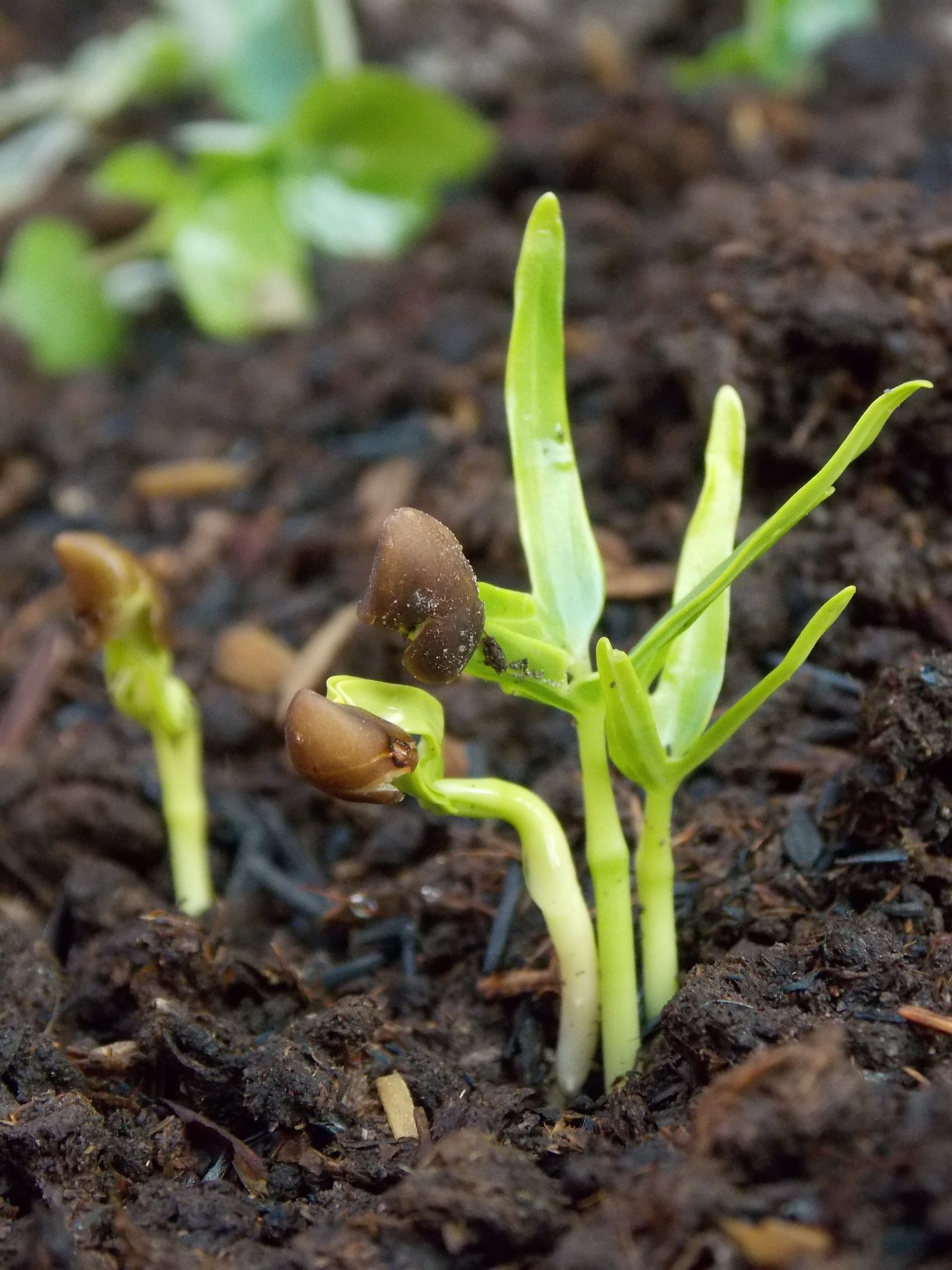
Three decisions cannot wait for spring, and one of them is nearly closed already. Winter rye is the last cover crop still plantable across much of the country. Penn State’s published latest fall seeding dates put rye at October 10, 15 or 25 depending on the area, with oats, wheat, ryegrass, clovers, vetch and the brassicas all past in every area. Illinois Extension gives the rate at 4 to 5 pounds per 1,000 square feet, with the obligation attached: rye has to be terminated in mid to late spring before it sets seed, about two weeks before your intended transplant date. More on the species choices in cover crops for the fall garden.
Lime is the second. Georgia Extension says lime should be mixed with the soil two to three months before planting, which makes it a fall job, and puts vegetable gardens on a soil test every one to two years while naming fall the most desirable sampling time. Illinois and Minnesota say every three to five years instead. Penn State keys the interval to texture rather than garden type, two to three years on sandy soil and three to four on clay. Sampling depth is 6 inches at Georgia and 6 to 8 at Penn State, and each lab calibrates to its own. The numbers that come back are only as good as the sample.
The third is writing down where the potatoes were. UMass Amherst states that the late blight organism requires living tissue to survive and does not survive in the soil, and that in the Northeast it overwinters only in infected potato tubers, including tubers left in ground that did not freeze. The control is finding volunteer potato plants next spring and destroying them, which depends on knowing which bed to check. Rotation does nothing for this one.
There is no three-year rotation rule
The published range is one to five or more years. Three is the most common figure, which is not the same thing as a rule. Penn State says to move crops every year or two. Iowa State says two or three years on one page and three to four on two others. Minnesota says two to four on one page, three on another and three to four on a third. Illinois and Georgia say three to five. USDA’s conservation crop rotation standard recommends four or more years, with no more than two consecutive years of the same crop.
So two institutions contradict themselves three ways each, on their own websites, for the same reader. Worth knowing before you treat any single page as the answer. And their own pathogen data undercuts three years for the diseases that actually drive the decision.
Rotation is risk reduction, not prevention
Clubroot is the clearest case. Minnesota puts the resting spores at 20 years in soil and recommends avoiding brassicas in an affected area for five to seven years. Cornell puts survival at 7 to 10 years or longer, with a rotation of at least seven years that may be effective. Both figures fall short of their own survival numbers. That is a quiet admission that rotation manages clubroot rather than clearing it, and Minnesota’s clubroot interval also runs up to three times longer than its own general rotation advice.
White rot of onion and garlic is worse. UC’s IPM program puts sclerotia survival at over 20 years, and publishes no rotation interval at all, because no home-garden rotation would clear it. Verticillium survives up to 10 years by NC State’s figure, which advises 4 to 5 year intervals while noting the pathogen affects more than 300 host families and that corn, wheat and mustard are documented hosts themselves. Missouri Extension puts the limit plainly: rotation will not prevent diseases with long-lived resting spores, such as Pythium, Fusarium and Rhizoctonia.
So what is it worth? Cornell has the number, and it is the strongest argument in this literature. Under continuous planting in the same ground, tomato early blight defoliation ran 3 percent in year one, 30 percent in year two, 74 percent in year three and 70 percent in year four. That is not the elimination of a disease. It is the difference between a crop and no crop.
One pest breaks the pattern in your favor. NC State defines rotation for root-knot nematode as not growing a susceptible host in the same site for more than one year, and says planting a susceptible crop a few feet from last year’s spot counts. Nematodes do not travel far on their own, so distance substitutes for time. Fungal resting spores do not care about a few feet.
Rotate by family, and know which family radish is in
Every source groups by plant family and the groupings do not match. Minnesota publishes five groups named by appearance and leaves out carrots, beets, lettuce and corn. NC State publishes thirteen, including asparagus on its own. Wisconsin publishes ten, and onions alone carry four different Latin family names across them.
The consequence worth carrying is short. Radish is a brassica in every source, and so are rutabaga, turnip and kohlrabi. Rotate by what the plant looks like and your radishes follow your cabbage, which means you have rotated nothing.
What to write down
Penn State’s garden journal page gives the reason for the location record outright, which is to be able to follow crop rotation guidelines at all. It records the published average first and last frost dates alongside the actual observed ones, which is the part most journals skip. NC State’s journaling appendix is the fullest template in print: a to-scale drawing updated as plants move, soil test results tracked year by year, plant family next to the cultivar name, harvest dates, stored seed with its germination rate, a five-part pest record, and plant losses with a note on what to do differently. Iowa State adds that physical labels get lost, so keep maps or photographs.
Seed is the one thing you can check in December. NC State publishes the only storage rule of thumb in the set: the temperature in degrees Fahrenheit plus the relative humidity should not exceed 100, so at 60°F the humidity stays at or below 40 percent. The viability tables disagree badly, and lettuce is the worst of it, at six years from Illinois, five from Iowa State and one from Colorado State. Colorado State labels its column relative longevity rather than viability, which is probably a different quantity. So test rather than trust a table. Use Iowa State’s sample of at least 20 seeds, not the 10 that Illinois and Oregon State use, because a 10-seed test lets a true 70 percent lot read anywhere from 40 to 100 percent. Below 50 percent, Iowa State says discard it. Same test as in saving seeds, bigger sample.
The fall-planting formula that catches people
Two methods are published and they use different reference points, which no source flags. NC State and Purdue both count backwards from the frost date using days to maturity alone, with no buffer. Maryland Extension counts backwards from the desired harvest date and then subtracts a 14-day short-day factor, with a worked example: beets wanted on October 15, 55 days to maturity, back to August 20, minus the 14 days, plant August 7.
Those agree only if you want to harvest on your frost date. Combine them carelessly, counting back from frost and also subtracting fourteen days, and you plant two weeks early.
Days to maturity also does not count from the same event for every crop. Penn State states it cleanly: for crops seeded directly in the ground the number runs from sowing, and for crops grown from seedlings it runs from transplanting. Get that backwards on broccoli and the plan is off by the four to six weeks you spend raising the transplant.
One last entry for the notebook, for anyone sketching an interplanting scheme over the winter. Minnesota Extension ran its own trials and reports that multiple studies have shown the marigold-deters-Colorado-potato-beetle claim to be untrue, and that the charts circulating online are not always accurate or backed by research. What the same page does support is narrower: brassica trap crops for flea beetles, nasturtium against squash bugs, and mixes of three or more species outperforming pairs.
Sources
- Penn State Extension, Recommended Dates for Fall Cover Crop Planting: extension.psu.edu/recommended-dates-for-fall-cover-crop-planting
- Penn State Extension, Crop Rotation for the Home Vegetable Garden: extension.psu.edu/crop-rotation-for-the-home-vegetable-garden
- Penn State Extension, Keeping a Garden Journal: extension.psu.edu/keeping-a-garden-journal
- Penn State Extension, Soil Testing: extension.psu.edu/soil-testing
- Penn State Extension, Fall Vegetables with Succession Planting: extension.psu.edu/programs/master-gardener/counties/allegheny/news/fall-vegetables-with-succession-planting
- University of Illinois Extension, Cereal Rye: The Perfect Garden Reset Cover Crop: extension.illinois.edu/blogs/flowers-fruits-and-frass/2024-10-07-cereal-ryewinter-rye-perfect-garden-reset-cover-crop
- University of Illinois Extension, Sow, Grow, Rotate: extension.illinois.edu/blogs/good-growing/2024-01-05-sow-grow-rotate-how-crop-rotation-promotes-gardening-success
- University of Illinois Extension, Will My Seeds Still Grow?: extension.illinois.edu/sites/default/files/infosheet_seed_viability.pdf
- University of Illinois Extension, Are My Seeds Still Good? Testing Seed Germination: extension.illinois.edu/blogs/good-growing/2023-01-20-are-my-seeds-still-good-testing-seed-germination
- University of Illinois Extension, soil testing info sheet: extension.illinois.edu/sites/default/files/soil_testing_infosheet.pdf
- University of Georgia Extension, Circular 896, Soil Testing for Home Lawns, Gardens and Wildlife Food Plots: fieldreport.caes.uga.edu/publications/C896/soil-testing-for-home-lawns-gardens-and-wildlife-food-plots/
- University of Georgia Extension, Circular 862, Disease Management in the Home Vegetable Garden: fieldreport.caes.uga.edu/publications/C862/disease-management-in-the-home-vegetable-garden/
- University of Massachusetts Amherst, Late Blight on Tomatoes and Potatoes: umass.edu/agriculture-food-environment/home-lawn-garden/fact-sheets/late-blight-on-tomatoes-potatoes
- Iowa State University Extension and Outreach, Crop Rotation in the Vegetable Garden: yardandgarden.extension.iastate.edu/how-to/crop-rotation-vegetable-garden
- Iowa State University Extension and Outreach, Why is it important to rotate crops in the vegetable garden?: yardandgarden.extension.iastate.edu/faq/why-it-important-rotate-crops-vegetable-garden
- Iowa State University Extension and Outreach, How to Store Seeds and Test Germination Rates: yardandgarden.extension.iastate.edu/how-to/how-store-seeds-and-test-germination-rates
- Iowa State University Extension and Outreach, Planning Your Vegetable Garden: yardandgarden.extension.iastate.edu/how-to/planning-your-vegetable-garden
- University of Minnesota Extension, Clubroot: extension.umn.edu/plant-diseases/clubroot
- University of Minnesota Extension, Growing healthy vegetables: extension.umn.edu/planting-and-growing-guides/growing-healthy-vegetables
- University of Minnesota Extension, Preventing plant diseases in the garden: extension.umn.edu/how/preventing-plant-diseases-garden
- University of Minnesota Extension, Gardening in small spaces: extension.umn.edu/yard-and-garden-news/gardening-small-spaces
- University of Minnesota Extension, Companion planting in home gardens: extension.umn.edu/planting-and-growing-guides/companion-planting-home-gardens
- University of Minnesota Extension, Soil testing for lawns and gardens: extension.umn.edu/managing-soil-and-nutrients/soil-testing-lawns-and-gardens
- Cornell University, Clubroot of Crucifers: vegetables.cornell.edu/pest-management/disease-factsheets/clubroot-of-crucifers/
- Cornell University, Do Rotations Matter Within Disease Management Programs?: vegetables.cornell.edu/pest-management/disease-factsheets/do-rotations-matter-within-disease-management-programs/
- UC Statewide IPM Program, White Rot: ipm.ucanr.edu/PMG/GARDEN/VEGES/DISEASES/whiterot.html
- NC State Extension, Verticillium Wilt of Tomato and Eggplant: content.ces.ncsu.edu/verticillium-wilt-of-tomato-and-eggplant
- NC State Extension, Control of Root-Knot Nematodes in the Home Vegetable Garden: content.ces.ncsu.edu/control-of-root-knot-nematodes-in-the-home-vegetable-garden
- NC State Extension Gardener Handbook, chapter 16, Vegetable Gardening: content.ces.ncsu.edu/extension-gardener-handbook/16-vegetable-gardening
- NC State Extension Gardener Handbook, Appendix A, Garden Journaling: content.ces.ncsu.edu/extension-gardener-handbook/appendix-a-garden-journaling
- NC State Extension, Seed and Seed Quality: content.ces.ncsu.edu/seed-and-seed-quality
- NC State Extension, Growing a Fall Vegetable Garden: content.ces.ncsu.edu/growing-a-fall-vegetable-garden
- University of Missouri Extension, G6202: extension.missouri.edu/publications/g6202
- University of Wisconsin–Madison Extension, XHT1210, Using Crop Rotation in the Home Vegetable Garden: hort.extension.wisc.edu/articles/using-crop-rotation-home-vegetable-garden-0/
- University of Maryland Extension, Fall Vegetable Gardening: extension.umd.edu/resource/fall-vegetable-gardening
- Colorado State University Extension, Fact Sheet 7.221, Storing Vegetable and Flower Seeds: extension.colostate.edu/resource/storing-vegetable-and-flower-seeds/
- Oregon State University Extension, Will Your Seeds Grow Plants?: extension.oregonstate.edu/imported-publication/will-your-seeds-grow-plants
- Purdue University Extension, HO-66-W, Fall Vegetable Gardening: extension.purdue.edu/extmedia/HO/HO-66-W.pdf
- USDA Natural Resources Conservation Service, Conservation Practice Standard 328, Conservation Crop Rotation: nrcs.usda.gov/sites/default/files/2022-09/Conservation_Crop_Rotation_328_CPS.pdf
Leave a Reply