
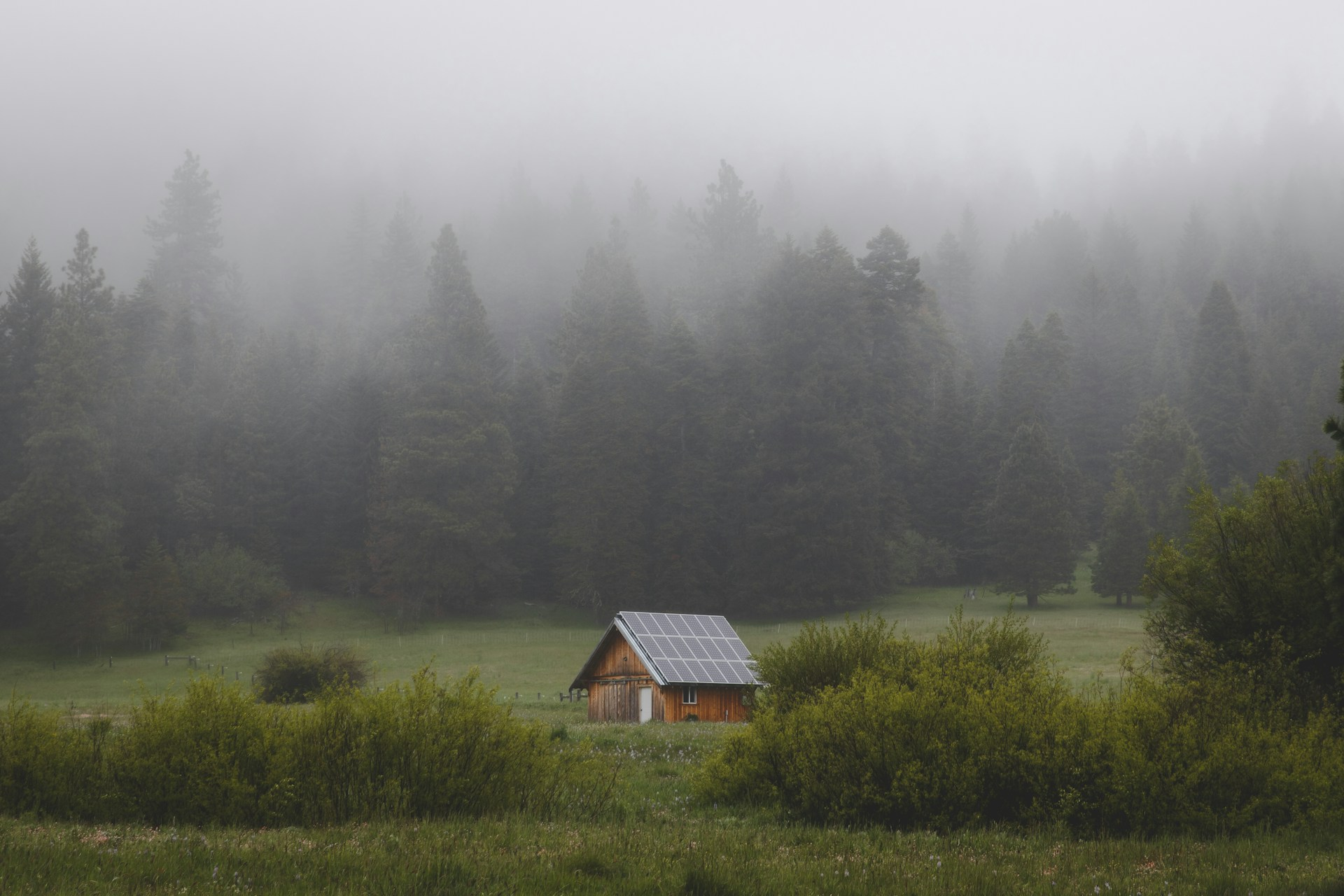
Off Grid Living Essentials: The Complete Beginner’s Guide to Self-Sufficient Living
Imagine waking up to the sound of birds chirping instead of traffic noise, generating your own electricity from the sun, and living completely independent of municipal utilities. This isn’t just a dream—it’s the reality of off-grid living, and it’s becoming increasingly popular among people seeking freedom, sustainability, and a simpler way of life.
Whether you’re planning to move to a remote cabin in the woods, convert a van for nomadic living, or simply reduce your dependence on the electrical grid, understanding off grid living essentials is your first step toward self-sufficiency. The transition can seem overwhelming, but with the right knowledge and preparation, anyone can successfully embrace this lifestyle.
In this comprehensive guide, we’ll walk you through everything you need to know about off grid living essentials—from power generation and water systems to food storage and waste management. By the end, you’ll have a clear roadmap for creating your own sustainable, independent living situation.
Understanding Off-Grid Living: What Does It Really Mean?
Before diving into the off grid living essentials, let’s clarify what “off-grid” actually means. Off-grid living refers to a lifestyle that operates independently from public utilities, including electricity, water, sewer, and sometimes even roads. It’s about creating a self-sustaining home environment where you generate your own power, source your own water, and manage your own waste.
People choose off-grid living for various reasons:
- Financial freedom from monthly utility bills
- Environmental sustainability and reduced carbon footprint
- Self-reliance and independence
- Privacy and seclusion
- Preparedness for emergencies or societal disruptions
Essential Category 1: Power Generation and Energy Systems
Solar Power Systems
Solar energy is the backbone of most modern off-grid power systems and tops the list of off grid living essentials. A complete solar setup includes:
Solar Panels: These convert sunlight into electricity. For a small cabin, you’ll need 1,000-3,000 watts of solar panels. A family home typically requires 5,000-10,000 watts.
Charge Controllers: These regulate the power flowing from solar panels to batteries, preventing overcharging. MPPT (Maximum Power Point Tracking) controllers are more efficient but cost more than PWM (Pulse Width Modulation) models.
Battery Bank: Deep-cycle batteries store energy for use when the sun isn’t shining. Popular options include:
- Lead-acid batteries (affordable but require maintenance)
- AGM batteries (maintenance-free but expensive)
- Lithium-ion batteries (longest lifespan, most efficient, highest upfront cost)
Inverter: Converts DC power from batteries to AC power for standard household appliances. Choose between pure sine wave (best for sensitive electronics) or modified sine wave (cheaper but limited compatibility).
Backup Power Sources
Relying solely on solar power can be risky, especially in cloudy climates. Essential backup options include:
- Wind turbines for areas with consistent wind
- Micro-hydro systems if you have a flowing water source
- Generators (propane or diesel) for emergency backup
- Portable solar generators for flexibility
Energy Conservation
Among the most overlooked off grid living essentials is energy efficiency. Reducing consumption means needing less generation capacity:
- LED lighting throughout your home
- Energy Star-rated appliances
- Propane refrigerators and stoves
- Thermal mass construction for temperature regulation
- Quality insulation to minimize heating/cooling needs
Essential Category 2: Water Systems and Management
Water Sourcing
Access to clean water is perhaps the most critical of all off grid living essentials. Your options include:
Wells: Deep wells provide reliable water year-round but require significant upfront investment ($3,000-$15,000 depending on depth).
Springs: Natural springs offer free, continuous water if you’re fortunate enough to have one on your property.
Rainwater Harvesting: Collecting rainwater from your roof can supplement or completely supply your water needs. Calculate your needs: a family of four uses approximately 400 gallons per day with standard usage, or 100-150 gallons with conservation.
Surface Water: Lakes, streams, and ponds can provide water but require extensive filtration and purification.
Water Storage
Once you’ve sourced water, proper storage is essential:
- Food-grade plastic tanks (500-5,000 gallons)
- Concrete cisterns for permanent installations
- Above-ground vs. below-ground considerations
- Multiple smaller tanks vs. one large tank for redundancy
Water Purification and Filtration
Even clear-looking water can harbor harmful bacteria and contaminants. Off grid living essentials for water treatment include:
Water Pumping
Moving water without municipal pressure requires:
- Solar-powered well pumps
- DC pumps running directly from batteries
- Gravity-fed systems (if you have elevation)
- Hand pumps for backup
Essential Category 3: Heating and Cooling Systems
Heating Solutions
Staying warm without grid electricity requires planning. Essential heating options include:
Wood Stoves: The most popular choice for off-grid heating. Look for high-efficiency models that burn cleanly. Plan for 3-5 cords of wood annually per household.
Propane Heaters: Clean-burning and efficient, though you’ll need regular propane deliveries or a large tank.
Passive Solar Design: Orient your home to maximize southern sun exposure and use thermal mass (stone, concrete) to store heat.
Rocket Mass Heaters: Super-efficient wood heaters that use minimal fuel and provide radiant heat for hours.
Cooling Strategies
Cooling without air conditioning is possible with smart design:
- Cross-ventilation with strategically placed windows
- Whole-house fans to exhaust hot air
- Evaporative cooling in dry climates
- Earth-sheltered or underground construction
- Shade trees and awnings
Essential Category 4: Food Storage and Preservation
Refrigeration Options
Among critical off grid living essentials, food storage requires special consideration:
- Propane refrigerators: No electricity needed, operate continuously
- DC refrigerators: Highly efficient, run on battery power
- Chest freezers: More efficient than upright models
- Root cellars: Traditional, passive food storage for vegetables
- Spring houses: If you have cold running water
Food Preservation Methods
Reduce your refrigeration needs with traditional preservation:
- Canning (pressure and water bath)
- Dehydrating fruits, vegetables, and meats
- Smoking and curing
- Fermentation (sauerkraut, kimchi, pickles)
- Salt curing
- Cool storage in root cellars
Gardening and Food Production
True self-sufficiency includes growing your own food:
- Start with a manageable garden size (200-400 sq ft)
- Focus on high-yield, easy crops initially
- Implement succession planting
- Save seeds for future seasons
- Consider chickens for eggs and meat
- Goats or cows for dairy (advanced)
Essential Category 5: Waste Management Systems
Septic Systems
If local regulations allow, a traditional septic system works well off-grid. Expect costs of $3,000-$10,000 for installation.
Composting Toilets
These off grid living essentials eliminate the need for water and septic systems:
- Self-contained units (Nature’s Head, Sun-Mar)
- Custom-built systems with external composting
- Require regular maintenance and carbon material
- Produce usable compost for gardens (after proper composting)
Greywater Systems
Recycle water from sinks, showers, and laundry:
- Simple systems direct water to mulch basins
- Advanced systems filter for reuse
- Must use biodegradable soaps and cleaners
- Check local regulations before installing
Essential Category 6: Communication and Connectivity
Internet Access
Staying connected is important even off-grid:
- Satellite internet (Starlink, HughesNet, Viasat)
- Cellular boosters with data plans
- Point-to-point wireless if nearby service exists
- Community WiFi networks in some rural areas
Emergency Communication
Critical off grid living essentials for safety:
- Cell phone with signal booster
- Two-way radios for local communication
- Weather radio with alerts
- Satellite phone for true emergencies
- CB radio for trucker network
Essential Category 7: Tools and Equipment
Basic Tool Kit
Every off-grid homestead needs:
- Quality hand tools (saws, axes, hammers, wrenches)
- Power tools with battery systems
- Chain saw for wood processing
- Generator for heavy-duty power needs
- Multimeter for electrical troubleshooting
- Repair supplies (wire, plumbing fittings, lumber)
Transportation
Remote living requires reliable vehicles:
- 4×4 truck or SUV for rough roads
- ATV or UTV for property navigation
- Backup vehicle or parts
- Basic mechanic tools and knowledge
Essential Category 8: Safety and Security
First Aid and Medical
When you’re far from hospitals, preparation is vital:
- Comprehensive first aid kit
- Prescription medications (3-month supply)
- Medical reference books
- Dental emergency supplies
- Training in wilderness first aid
Fire Safety
Off-grid structures face unique fire risks:
- Multiple fire extinguishers
- Smoke and CO detectors (battery-operated)
- Fire blankets
- Evacuation plan
- Defensible space around structures
Security Measures
Protecting your remote homestead:
- Motion-sensor lights (solar-powered)
- Security cameras with local storage
- Guard dogs
- Strong locks and reinforced doors
- Firearms (if legal and you’re trained)
Financial Considerations for Off-Grid Living
Initial Investment
Understanding costs helps with planning:
Minimal setup (small cabin): $10,000-$25,000
- Basic solar system: $3,000-$8,000
- Water catchment: $1,000-$3,000
- Composting toilet: $1,000-$2,000
- Wood stove: $500-$2,000
- Basic tools and supplies: $2,000-$5,000
Moderate setup (small home): $50,000-$100,000
- Comprehensive solar system: $15,000-$30,000
- Well drilling: $5,000-$15,000
- Septic system: $3,000-$10,000
- Heating/cooling systems: $3,000-$8,000
- Tools and equipment: $5,000-$10,000
Comprehensive setup (family home): $150,000+
- Large solar array with battery: $40,000-$70,000
- Complete water system: $10,000-$25,000
- Full septic or advanced composting: $8,000-$15,000
- Multiple heating/cooling systems: $10,000-$20,000
- Workshop and tools: $10,000-$20,000
Ongoing Expenses
Budget for regular costs:
- Propane deliveries: $500-$2,000/year
- Generator fuel: $300-$1,000/year
- System maintenance: $500-$2,000/year
- Battery replacement (every 5-15 years): $2,000-$15,000
- Property taxes and insurance
- Vehicle maintenance and fuel
Getting Started: Your Action Plan
Step 1: Assess Your Readiness
Before investing in off grid living essentials, honestly evaluate:
- Your technical skills and willingness to learn
- Physical abilities for manual labor
- Financial resources
- Family members’ commitment
- Proximity to employment (if needed)
Step 2: Start Small
You don’t have to go completely off-grid immediately:
- Install a small solar system to offset grid usage
- Start a garden and learn food preservation
- Practice with a composting toilet at a vacation property
- Build skills through weekend projects
- Connect with experienced off-gridders
Step 3: Choose Your Location
Property selection is crucial:
- Adequate sun exposure for solar
- Water access (well, spring, or high rainfall)
- Reasonable access for supplies
- Zoning that allows off-grid systems
- Climate compatible with your abilities
Step 4: Prioritize Your Systems
Install off grid living essentials in this order:
Step 5: Build Community
Off-grid doesn’t mean isolated:
- Join online forums and local groups
- Attend homesteading workshops
- Develop relationships with neighbors
- Share skills and resources
- Create support networks for emergencies
Common Mistakes to Avoid
Learning from others’ errors saves time and money:
Underestimating power needs: Most beginners undersize their solar systems. Monitor your usage and add 30-50% capacity for cloudy days and growth.
Neglecting water testing: Always test well or surface water before assuming it’s safe. Even clear water can contain harmful contaminants.
Buying cheap equipment: Off-grid systems are your lifeline. Quality components cost more initially but save money and frustration long-term.
Ignoring backup systems: Every critical system needs redundancy. Have backup methods for water, power, and heat.
Poor location choice: Insufficient sun, no water access, or difficult access can doom your off-grid plans. Do thorough due diligence.
Inadequate insulation: Energy conservation is cheaper than energy production. Invest heavily in insulation and air sealing.
Going alone: Learning everything yourself is time-consuming and expensive. Connect with experienced off-gridders and learn from their experience.
FAQ: Common Questions About Off Grid Living Essentials
1. How much does it cost to set up an off-grid home?
The cost varies dramatically based on your goals and location. A minimal setup for one or two people in a small cabin can be accomplished for $10,000-$25,000. A comfortable family home typically requires $50,000-$150,000 for all essential systems, not including land or structure costs. The largest expenses are usually solar power systems ($15,000-$50,000), well drilling ($5,000-$15,000), and septic systems ($5,000-$15,000). Many people reduce costs by installing systems gradually over several years.
2. Can I live off-grid with a family and children?
Absolutely! Many families successfully raise children off-grid. In fact, children often thrive in this environment, learning valuable life skills, developing strong work ethics, and connecting with nature. However, consider factors like homeschooling or distance to schools, access to medical care, socialization opportunities, and whether teenagers will accept the lifestyle. Start with a location that isn’t too remote while children are young, and ensure reliable internet for educational resources and staying connected.
3. What is the most important off-grid essential to invest in first?
Water is the most critical off-grid essential—you can survive only a few days without it. Before investing heavily in solar panels or other systems, secure a reliable water source. This might mean drilling a well, developing a spring, or establishing a robust rainwater catchment system with adequate storage. Once water is secure, focus on shelter and basic power for lights and communication, followed by heating (climate-dependent) and waste management systems.
4. How much land do I need for off-grid living?
The amount of land needed depends on your goals. For basic off-grid living with purchased food, 1-2 acres provides adequate space for a home, solar array, water catchment, and septic system. For partial food self-sufficiency with a large garden and chickens, consider 2-5 acres. For complete self-sufficiency with livestock, orchards, and firewood production, 5-40 acres is more appropriate. Also consider zoning requirements, as some areas mandate minimum acreage for off-grid systems.
5. Is off-grid living legal everywhere?
Off-grid living legality varies by location. Some rural areas have minimal restrictions, while others require connection to utilities or prohibit alternative waste systems. Before purchasing land, research local zoning laws, building codes, and health department regulations regarding wells, septic systems, and composting toilets. Some states and counties actively support off-grid living, while others create significant barriers. Consider areas with established off-grid communities, as they typically have favorable regulations.
Conclusion: Your Path to Self-Sufficient Living
Transitioning to off-grid living represents more than just disconnecting from utilities—it’s a fundamental shift toward self-reliance, sustainability, and intentional living. While the list of off grid living essentials may seem overwhelming at first, remember that thousands of people successfully make this transition every year, and you can too.
The key to success lies in thorough planning, realistic expectations, and gradual implementation. You don’t need to purchase everything at once or achieve complete self-sufficiency overnight. Start by mastering one system, then expand your capabilities as your skills and confidence grow.
The off grid living essentials we’ve covered—from solar power and water systems to food preservation and waste management—form the foundation of a resilient, independent lifestyle. Each system you implement reduces your dependence on external infrastructure and increases your freedom.
The rewards of off-grid living extend far beyond lower utility bills. You’ll develop invaluable skills, deepen your connection with nature, reduce your environmental impact, and gain true peace of mind knowing you can provide for yourself and your family regardless of external circumstances.
Ready to Begin Your Off-Grid Journey?
Start today by taking one concrete action:
- Research properties in off-grid friendly areas
- Install a small solar system at your current home
- Take a homesteading or permaculture course
- Connect with off-grid communities online or in person
- Create a detailed budget and timeline for your transition
The path to self-sufficient living begins with a single step. Which off grid living essential will you tackle first? The sooner you start, the sooner you’ll experience the freedom and satisfaction that comes from living independently on your own terms.
Remember: every expert off-gridder was once a beginner asking the same questions you’re asking now. With dedication, patience, and the right knowledge, you’ll soon be sharing your own off-grid success story.