
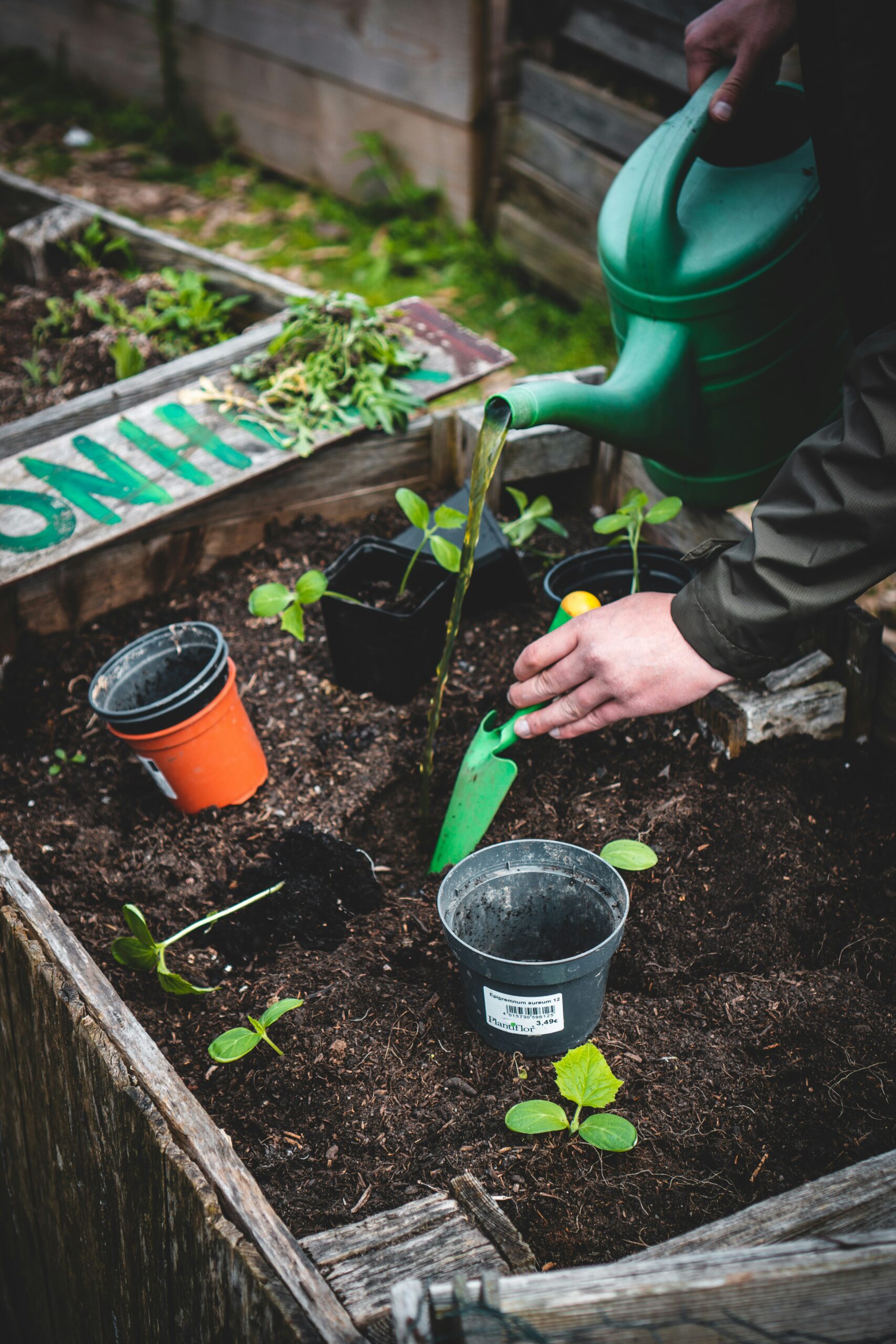
The Ultimate Guide to Small Scale Homesteading: Transform Your Backyard into a Self-Sufficient Paradise
Picture this: You’re sipping your morning coffee, watching chickens peck around your backyard while planning which homegrown vegetables you’ll harvest for dinner. Your pantry is stocked with preserved goods you made yourself, and you’re not worried about rising grocery costs. Sound like a dream? Welcome to the world of small scale homesteading – and it’s more achievable than you think.
Whether you’re working with a quarter-acre suburban lot or a modest rural property, small scale homesteading offers the perfect entry point into a more self-reliant lifestyle. You don’t need hundreds of acres or to quit your day job to experience the satisfaction of growing your own food and living more sustainably. In this comprehensive guide, I’ll walk you through everything you need to know to start your small scale homesteading journey, from planning your space to managing livestock and preserving your harvest.
What Exactly Is Small Scale Homesteading?
Before we dive into the how-to, let’s clarify what small scale homesteading actually means. Unlike traditional homesteading that often involves large parcels of land and complete self-sufficiency, small scale homesteading focuses on incorporating sustainable, self-reliant practices into whatever space you have available – even if that’s just a suburban backyard or a small rural lot.
At its core, small scale homesteading is about:
- Growing a portion of your own food through gardens and orchards
- Raising small livestock like chickens, rabbits, or bees
- Preserving and storing food for year-round use
- Reducing dependence on commercial systems while maintaining modern conveniences
- Living more sustainably and intentionally with your resources
The beauty of this approach is that it’s scalable. You can start with a simple vegetable garden and expand gradually as your skills, time, and space allow.
Planning Your Small Scale Homestead
Success in small scale homesteading starts with thoughtful planning. You wouldn’t build a house without blueprints, and the same principle applies here.
Assess Your Space and Resources
First, take an honest inventory of what you’re working with:
Land Assessment:
- How much space do you actually have?
- What’s the quality of your soil?
- How much sunlight do different areas receive?
- What’s your water access like?
- Are there any zoning restrictions or HOA rules?
Personal Resources:
- How much time can you realistically dedicate each day?
- What’s your budget for initial setup and ongoing maintenance?
- What’s your current skill level?
- Who else in your household can help?
Set Realistic Goals
One of the biggest mistakes new homesteaders make is trying to do everything at once. Small scale homesteading works best when you build gradually. Consider starting with 2-3 projects in your first year.
Beginner-Friendly First Projects:
Second-Year Additions:
Creating a Productive Garden Space
Your garden is likely to be the centerpiece of your small scale homesteading efforts, and for good reason – it delivers the quickest and most tangible results.
Maximizing Limited Garden Space
When you’re working with limited acreage, every square foot counts. Here are proven strategies for maximizing production:
Vertical Growing: Use trellises, cages, and stakes for vining crops like tomatoes, cucumbers, and beans. This technique can triple your growing space.
Intensive Planting: Instead of traditional row gardening, use square-foot gardening or intensive planting methods that eliminate wasted space between rows.
Succession Planting: Plant new crops every 2-3 weeks so you have continuous harvests rather than everything ripening at once.
Season Extension: Use cold frames, row covers, and hoop houses to extend your growing season by 4-8 weeks on both ends.
Soil Health: The Foundation of Success
Your soil is your most valuable asset in small scale homesteading. Healthy soil produces abundant harvests with fewer inputs.
Building Better Soil:
- Start composting all kitchen scraps and garden waste
- Add organic matter (compost, aged manure, leaves) annually
- Practice crop rotation to prevent nutrient depletion
- Consider cover crops during off-seasons
- Get a soil test every 2-3 years to track improvements
Best Crops for Small Scale Homesteading
Focus on crops that deliver high yields in small spaces and provide good nutritional value:
High-Value Crops:
- Tomatoes (determinate varieties for containers)
- Lettuce and salad greens (cut-and-come-again varieties)
- Bush beans
- Zucchini and summer squash
- Herbs (particularly basil, cilantro, and parsley)
- Kale and chard
- Garlic and onions
- Root vegetables (carrots, beets, radishes)
Adding Livestock to Your Small Homestead
Livestock might seem intimidating, but several animals thrive in small spaces and add tremendous value to your homesteading efforts.
Backyard Chickens: The Gateway Livestock
Chickens are the perfect introduction to livestock for small scale homesteading. They’re relatively easy to care for, provide fresh eggs daily, and help with pest control and fertilizer production.
Getting Started with Chickens:
- Check local regulations first (many suburbs allow hens but not roosters)
- Plan for 3-6 hens to start
- Provide 3-4 square feet per bird inside the coop
- Provide 8-10 square feet per bird in an outdoor run
- Budget $500-1,000 for initial coop setup
- Expect about 15-20 minutes of daily care time
Best Breeds for Small Homesteads:
- Rhode Island Reds (hardy, excellent layers)
- Buff Orpingtons (friendly, dual-purpose)
- Australorps (calm, great egg production)
- Plymouth Rocks (cold-hardy, consistent layers)
Other Small-Space Livestock Options
Rabbits: Extremely efficient protein producers requiring minimal space (2-4 square feet per rabbit). They’re quiet, clean, and produce excellent fertilizer.
Bees: A few hives provide honey, beeswax, and improved pollination for your garden. Require minimal space and just a few hours of work monthly during active season.
Quail: Even smaller than chickens and legal in more areas. Six quail can fit in a cage the size of a large dog crate.
Food Preservation: Making Your Harvest Last
Growing food is only half the equation – preserving it properly allows you to enjoy your harvest year-round and truly benefit from your small scale homesteading efforts.
Essential Preservation Methods
Canning: Water bath canning for high-acid foods (tomatoes, pickles, jams) and pressure canning for low-acid foods (beans, vegetables, meats). Start with water bath canning as it requires less equipment investment.
Freezing: The simplest preservation method. Blanch vegetables before freezing to maintain quality. Invest in a chest freezer if you’re serious about food preservation.
Dehydrating: Perfect for herbs, fruits, and making vegetable powders. A quality dehydrator costs $50-200 and pays for itself quickly.
Fermentation: Makes food more digestible and adds beneficial probiotics. Try sauerkraut, kimchi, and fermented pickles as starting projects.
Root Cellaring: Store root vegetables, winter squash, and apples for months without processing. A basement corner or buried container can work as a simple root cellar.
Water Management and Conservation
Water is essential for small scale homesteading, and managing it efficiently reduces costs and environmental impact.
Rainwater Harvesting
Even modest rainwater collection systems can provide significant water for gardens:
- A 1,000 square foot roof captures about 600 gallons per inch of rainfall
- Start with a simple barrel system (55-gallon food-grade barrels)
- Upgrade to larger tanks (275-500 gallons) as budget allows
- Use collected water for gardens and livestock (not household drinking water without proper treatment)
Irrigation Efficiency
Smart Watering Strategies:
- Drip irrigation reduces water use by 30-50% compared to sprinklers
- Water deeply but less frequently to encourage root growth
- Mulch heavily to retain soil moisture
- Water in early morning to minimize evaporation
- Group plants with similar water needs together
Time Management for the Working Homesteader
Most people pursuing small scale homesteading maintain full-time jobs and family responsibilities. Effective time management makes it sustainable long-term.
Daily, Weekly, and Seasonal Tasks
Daily Commitments (15-30 minutes):
- Check and water plants
- Collect eggs
- Feed and water livestock
- Quick harvest of ripe produce
Weekly Projects (2-4 hours):
- Deeper garden maintenance (weeding, pruning)
- Coop cleaning
- Food processing and preservation
- Planting and transplanting
Seasonal Deep Work (varies):
- Spring garden setup and planting
- Fall harvest and preservation push
- Winter planning and equipment maintenance
- Summer succession planting
Efficiency Tips
- Batch similar tasks together
- Set up systems that reduce daily labor (automatic waterers, self-harvesting gardens)
- Accept that some years will be more productive than others
- Don’t feel guilty about buying what you can’t grow
- Create a homesteading notebook to track what works
Common Challenges and Solutions
Small scale homesteading comes with challenges, but most are easily overcome with knowledge and experience.
Challenge: Limited Time
Solution: Start smaller than you think you should. Choose low-maintenance perennials and self-seeding annuals. Automate water systems. Focus on high-value, easy crops.
Challenge: Pest and Disease Problems
Solution: Practice crop rotation, encourage beneficial insects, use companion planting, and accept some loss as normal. Healthy soil produces more resilient plants.
Challenge: Neighbor Relations
Solution: Keep everything tidy, share your harvest, choose quiet livestock breeds, and follow all local regulations. Most neighbor complaints stem from messiness or noise.
Challenge: Initial Investment Costs
Solution: Start with one project at a time. Buy used equipment. Build DIY systems. Remember that homesteading reduces ongoing expenses even with upfront costs.
Challenge: Knowledge Gaps
Solution: Read extensively, join local homesteading groups, take workshops, and don’t be afraid to fail. Every experienced homesteader started as a beginner.
Building Your Homesteading Skills
Small scale homesteading requires diverse skills, but you don’t need to master everything before starting.
Priority Skills to Develop
Year One Skills:
- Basic gardening and plant identification
- Composting
- Simple food preservation (freezing, basic canning)
- Animal husbandry basics (if keeping livestock)
Expanding Skills:
- Advanced preservation techniques
- Seed saving
- Basic carpentry for structures and repairs
- Soil building and fertility management
- Season extension techniques
- Natural pest management
Learning Resources
- Local extension offices offer free or low-cost workshops
- YouTube channels devoted to homesteading techniques
- Books like “The Backyard Homestead” and “The Encyclopedia of Country Living”
- Online homesteading communities and forums
- Nearby experienced homesteaders (many love sharing knowledge)
Connecting with the Homesteading Community
Small scale homesteading doesn’t mean going it alone. Building connections with other homesteaders enriches your experience and accelerates your learning.
Ways to Connect:
- Join local homesteading or gardening clubs
- Participate in seed swaps
- Visit farmer’s markets and talk to vendors
- Attend county fairs and agricultural events
- Engage in online forums and social media groups
- Consider work-trade arrangements with established homesteaders
Making Small Scale Homesteading Financially Viable
While self-sufficiency is appealing, understanding the economics helps maintain realistic expectations.
Potential Savings
Once established, small scale homesteading can significantly reduce food costs:
- A well-managed garden can save $500-1,500 annually
- Backyard chickens typically save $200-400 yearly on eggs
- Home preservation reduces grocery bills by 20-30%
- Bulk buying and preserving seasonal produce adds savings
Initial Investment Reality
Be prepared for startup costs:
- Garden setup: $200-800 (can be spread over seasons)
- Chicken coop and supplies: $500-1,500
- Preservation equipment: $200-500
- Tools and infrastructure: $300-1,000
The good news? Quality equipment lasts for years, and many items can be acquired gradually or found used.
Value Beyond Dollars
Remember that small scale homesteading provides value beyond money saved:
- Superior food quality and nutrition
- Educational opportunities for children
- Physical activity and stress relief
- Food security and resilience
- Sense of accomplishment and purpose
Frequently Asked Questions About Small Scale Homesteading
Q: How much land do I need to start small scale homesteading?
A: You can begin small scale homesteading on as little as 1/8 acre or even a suburban backyard. A quarter-acre can support an extensive garden, chickens, and fruit trees while still leaving space for your home and yard. Focus on maximizing what you have rather than wishing for more land. Many successful small scale homesteads operate on less than one acre.
Q: Is small scale homesteading worth it financially?
A: Small scale homesteading typically won’t replace a full income, but it can significantly reduce living expenses over time. After initial setup costs, most homesteaders save $1,000-3,000 annually on food. More importantly, it provides food security, skill development, and lifestyle benefits that are difficult to quantify. Think of it as an investment in resilience and quality of life rather than purely financial returns.
Q: How much time does small scale homesteading really take?
A: Time requirements vary based on your goals, but expect 30-60 minutes daily for basic maintenance (watering, animal care, harvesting) plus 4-8 hours weekly for projects like planting, preservation, and deeper maintenance. The workload is seasonal – busier in spring and fall, lighter in winter. Start small and expand only as your schedule allows.
Q: What’s the best first project for beginning homesteaders?
A: A raised bed vegetable garden is ideal because it delivers quick results, teaches fundamental skills, and requires minimal investment. Start with a 4×8 foot bed and 6-8 easy crops like tomatoes, lettuce, beans, and herbs. Success here builds confidence and knowledge for expanding into other homesteading activities.
Q: Can I homestead if I rent my property?
A: Absolutely! Focus on portable projects like container gardens, movable raised beds, and activities that don’t require permanent infrastructure. With landlord permission, you might add chickens in a movable coop. Many of the skills you develop (food preservation, gardening, etc.) will transfer when you eventually own property. Consider it practice for future homesteading.
Conclusion: Your Small Scale Homesteading Journey Starts Now
Small scale homesteading isn’t about achieving perfect self-sufficiency or returning to the 1800s. It’s about taking practical steps toward a more intentional, sustainable, and rewarding lifestyle – right where you are, with what you have.
You don’t need the perfect property, unlimited time, or expert skills to begin. You just need to start somewhere. Plant that first garden bed. Build that small coop. Start composting. Each small action builds momentum and skills that compound over time.
The most important thing I’ve learned in my homesteading journey is this: the best time to start was yesterday, but the second-best time is today. Your future self – the one enjoying fresh eggs for breakfast and homegrown tomatoes for dinner – will thank you for taking that first step.
Ready to start your small scale homesteading adventure? Choose one project from this guide that excites you most and commit to beginning within the next week. Whether it’s sketching out a garden plan, researching chicken breeds, or simply starting a compost pile, that first action transforms you from someone who wants to homestead into someone who is homesteading.
The journey of a thousand miles begins with a single step. What will your first step be?
—
Want more homesteading guidance? Join our community of aspiring and experienced homesteaders who share tips, troubleshoot challenges, and celebrate successes together. Subscribe to our newsletter for weekly homesteading advice, seasonal task reminders, and exclusive resources to help your small scale homestead thrive.