
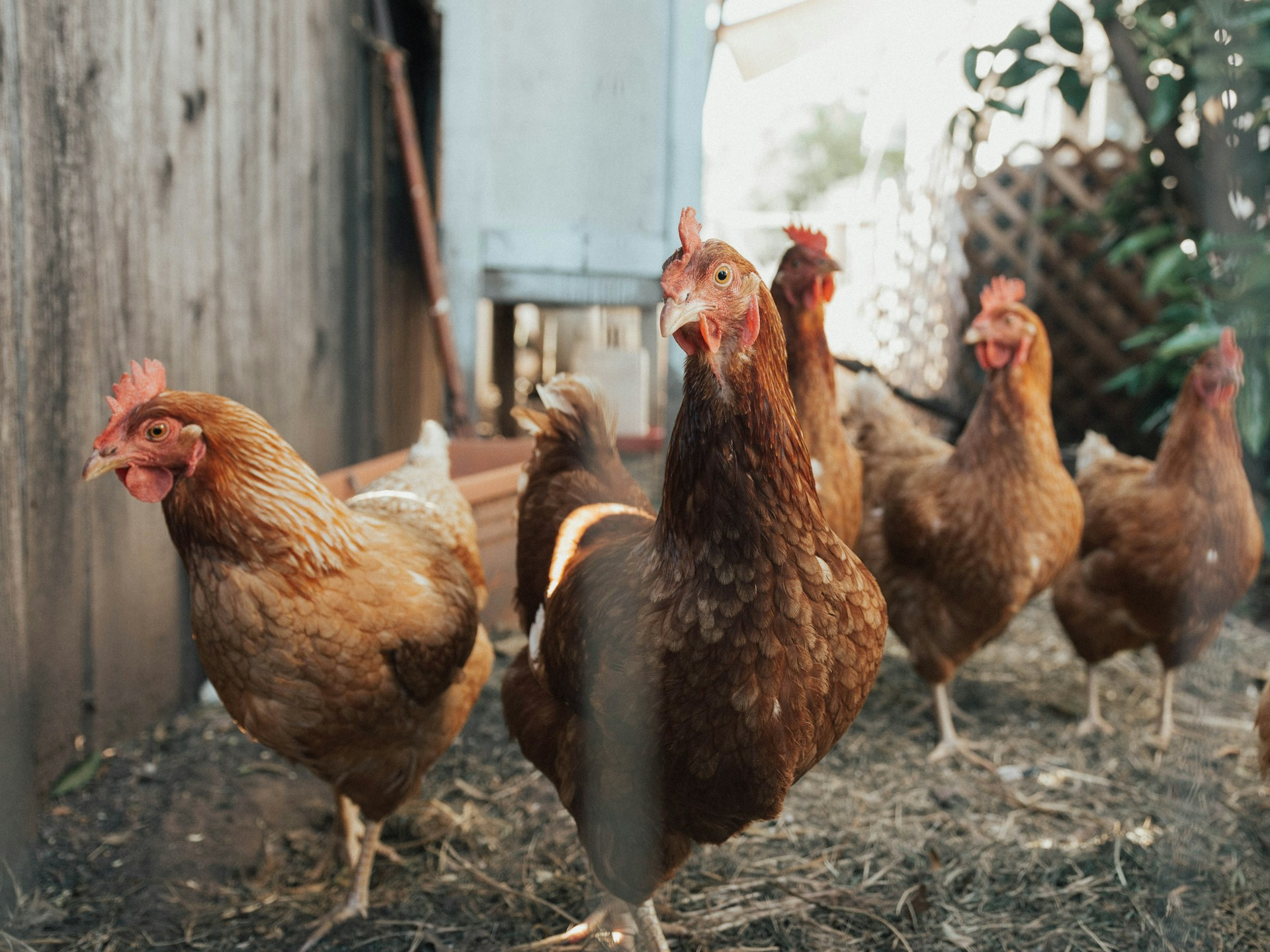
The 10 Best Chicken Breeds for Eggs: A Complete Guide for Backyard Farmers
There’s nothing quite like walking out to your backyard coop and collecting fresh eggs for breakfast. If you’re dreaming of a steady supply of farm-fresh eggs, choosing the right chicken breed is absolutely crucial to your success. Not all chickens are created equal when it comes to egg production—some breeds will give you an egg nearly every day, while others might leave you checking the nesting boxes in vain.
Whether you’re a seasoned chicken keeper looking to expand your flock or a beginner ready to embark on your backyard farming journey, this guide will walk you through the best chicken breeds for eggs. We’ll cover everything from production rates to temperament, so you can make an informed decision that fits your lifestyle and egg consumption needs.
Ready to discover which feathered friends will keep your egg basket overflowing? Let’s dive in!
Why Egg Production Varies Between Chicken Breeds
Before we explore the best chicken breeds for eggs, it’s important to understand what affects egg-laying capacity. Genetics play the primary role—some breeds have been specifically developed over generations to be prolific layers, while others were bred for meat production or ornamental purposes.
Factors that influence egg production include:
- Breed genetics and selective breeding history
- Age of the hen (peak production typically occurs between 1-2 years)
- Nutrition and diet quality
- Daylight hours and seasonal changes
- Stress levels and living conditions
- Health and overall wellness
The breeds we’re covering today have been selected for their consistently high egg production, making them reliable choices for anyone prioritizing a steady egg supply.
The 10 Best Chicken Breeds for Eggs
1. Rhode Island Red
Annual Egg Production: 250-300 brown eggs
When people ask about the best chicken breeds for eggs, Rhode Island Reds are often the first that come to mind—and for good reason. These hardy birds are legendary in the poultry world for their exceptional laying abilities and robust constitution.
Why they’re excellent layers:
- Consistently produce large, brown eggs throughout the year
- Handle cold climates exceptionally well
- Continue laying during winter months better than most breeds
- Hardy and disease-resistant
- Dual-purpose breed (good for both eggs and meat)
Considerations: Rhode Island Reds can be somewhat assertive and occasionally broody. They’re active foragers and do well in free-range environments but adapt fine to confinement.
2. Leghorn
Annual Egg Production: 280-320 white eggs
If maximum egg production is your goal, Leghorns are hard to beat. These Mediterranean birds are egg-laying machines that have been the backbone of commercial egg operations for decades.
Why they’re excellent layers:
- Highest egg production rate among standard breeds
- Efficient feed conversion (require less feed per egg produced)
- Rarely go broody, meaning consistent production
- Mature quickly and start laying early (around 4-5 months)
- Heat-tolerant
Considerations: Leghorns are flighty, energetic birds that prefer free-ranging. They’re not the cuddliest chickens and can be skittish around humans. They’re best for egg production rather than pets.
3. Sussex
Annual Egg Production: 250-280 light brown/cream eggs
Sussex chickens are the complete package: beautiful, friendly, and productive. These British heritage birds have been prized for over a century for their reliable laying and calm disposition.
Why they’re excellent layers:
- Consistent year-round production
- Excellent foragers that do well on pasture
- Friendly and docile temperament
- Cold-hardy and adaptable
- Good layers that continue producing into later years
Considerations: Sussex chickens are curious and can be escape artists. They’re generally calm but active, making them wonderful additions to family flocks.
4. Plymouth Rock (Barred Rock)
Annual Egg Production: 200-280 brown eggs
Plymouth Rocks, especially the Barred variety, are quintessential backyard chickens. They’re one of the best chicken breeds for eggs when you want a balanced combination of production, temperament, and hardiness.
Why they’re excellent layers:
- Dependable layers of large brown eggs
- Extremely friendly and great with children
- Excellent cold tolerance
- Calm temperament makes them easy to manage
- Long laying lifespan
Considerations: Plymouth Rocks can occasionally go broody. They’re larger birds that need adequate space but adapt well to various housing situations.
5. Australorp
Annual Egg Production: 250-300 light brown eggs
Australorps hold the world record for egg production—an individual hen once laid 364 eggs in 365 days! While your backyard flock might not break records, Australorps remain one of the most reliable layers available.
Why they’re excellent layers:
- Exceptional egg production, especially in first two years
- Calm, friendly personalities
- Excellent winter layers
- Quiet birds that work well in urban settings
- Heat and cold tolerant
Considerations: Australorps are larger birds that can become overweight if overfed. They appreciate space to forage but adapt to confinement well.
6. Golden Comet (Red Sex Link)
Annual Egg Production: 250-330 brown eggs
Golden Comets are hybrid chickens specifically bred for egg production. They’re not a standardized breed but rather a cross designed to maximize laying potential while maintaining docility.
Why they’re excellent layers:
- Among the highest egg producers available
- Start laying very young (often by 16-18 weeks)
- Extremely efficient feed-to-egg conversion
- Calm and friendly temperament
- Auto-sexing at hatch (easy to identify pullets)
Considerations: As hybrids, Golden Comets have shorter productive lifespans (2-3 years of peak laying) and don’t breed true. They’re best for those prioritizing maximum short-term production.
7. Buff Orpington
Annual Egg Production: 180-200 light brown eggs
While Buff Orpingtons don’t top the production charts, they’re among the best chicken breeds for eggs when you factor in their exceptional temperament and dual-purpose nature.
Why they’re good layers:
- Reliable, steady egg production
- Exceptionally friendly and docile
- Great mothers if you want natural incubation
- Cold-hardy with fluffy plumage
- Wonderful for families with children
Considerations: Orpingtons can go broody frequently and are prone to obesity. They’re less heat-tolerant than some breeds but make up for it with their personality.
8. Wyandotte
Annual Egg Production: 200-240 brown eggs
Wyandottes are beautiful, practical chickens that excel in cold climates. Their rose combs resist frostbite, and their productive nature makes them reliable layers through harsh winters.
Why they’re excellent layers:
- Consistent production through winter months
- Very cold-hardy
- Come in numerous attractive color varieties
- Calm temperament in most lines
- Dual-purpose capabilities
Considerations: Wyandottes can be prone to broodiness and may be assertive in the pecking order. They’re medium-sized birds that don’t require excessive space.
9. Marans
Annual Egg Production: 150-200 dark brown eggs
If egg color matters to you, Marans are the champions of chocolate-brown eggs. While they don’t produce as many eggs as some breeds, the eggs they do lay are spectacular.
Why they’re valued layers:
- Beautiful, dark chocolate-brown eggs
- Large egg size
- Calm, friendly temperament
- Cold-hardy
- Eggs command premium prices if selling
Considerations: Marans are slower to mature and don’t hit peak production until around 8-9 months. They can be broody but are generally easygoing birds.
10. Easter Egger
Annual Egg Production: 200-280 eggs in various colors
Easter Eggers aren’t a standardized breed but rather a mixed-breed chicken that carries the blue egg gene. They’re among the best chicken breeds for eggs when you want variety and color in your egg basket.
Why they’re excellent layers:
- Lay eggs in blue, green, pink, or cream colors
- Good production rates
- Extremely hardy and adaptable
- Friendly, quirky personalities
- Each bird is unique in appearance
Considerations: Egg color and production can vary significantly since Easter Eggers aren’t standardized. You won’t know exact egg color until they start laying.
Factors to Consider When Choosing Egg-Laying Breeds
Climate and Weather Conditions
Your local climate should heavily influence your breed selection. Cold-hardy breeds like Rhode Island Reds, Wyandottes, and Plymouth Rocks thrive in northern climates, while Leghorns and Sussex handle heat better.
Available Space
Larger breeds like Australorps and Buff Orpingtons need more space, while smaller breeds like Leghorns can thrive in more compact coops. Consider your coop and run size before choosing breeds.
Noise Levels
If you have close neighbors, quieter breeds like Australorps and Buff Orpingtons are better choices than the more vocal Leghorns or some Rhode Island Red lines.
Egg Color Preferences
While egg color doesn’t affect nutrition or taste, it’s fun to collect a colorful variety. Mix breeds like Marans (dark brown), Easter Eggers (blue/green), and Leghorns (white) for a rainbow basket.
Temperament and Handling
If you have children or want chickens you can interact with, prioritize docile breeds like Buff Orpingtons, Sussex, and Plymouth Rocks over flighty breeds like Leghorns.
Maximizing Egg Production From Your Flock
Choosing the best chicken breeds for eggs is just the first step. Here’s how to ensure your hens reach their laying potential:
Nutrition Matters:
- Feed a quality layer feed with 16-18% protein
- Provide calcium supplements (oyster shells) free-choice
- Ensure constant access to fresh, clean water
- Offer treats sparingly (no more than 10% of diet)
Lighting and Environment:
- Hens need 14-16 hours of light for optimal production
- Consider supplemental lighting in winter months
- Maintain clean, dry bedding
- Provide adequate ventilation without drafts
Stress Reduction:
- Minimize flock disturbances and changes
- Protect from predators to reduce anxiety
- Provide adequate nesting boxes (1 per 3-4 hens)
- Allow enough space to prevent overcrowding
Health Maintenance:
- Conduct regular health checks
- Implement parasite prevention protocols
- Ensure up-to-date vaccinations if needed
- Quarantine new birds before introducing them
Creating a Diverse Laying Flock
One of the smartest strategies is mixing several of the best chicken breeds for eggs in your flock. This approach offers multiple benefits:
- Staggered production cycles mean more consistent egg supply
- Variety in egg colors and sizes makes collecting eggs more exciting
- Different breed temperaments often balance each other out
- Hedging against breed-specific health issues
- Extended laying seasons as different breeds peak at different times
A sample mixed flock might include:
- 3 Rhode Island Reds (reliable brown eggs, cold-hardy)
- 2 Leghorns (maximum white egg production)
- 2 Easter Eggers (colorful eggs, personality)
- 2 Buff Orpingtons (friendly, great with kids)
This combination of 9 hens could provide 5-7 eggs daily during peak production seasons.
When to Expect Eggs From Your Hens
Understanding the laying timeline helps set realistic expectations:
Point of Lay (POL): Most egg breeds begin laying between 18-24 weeks of age. Hybrids like Golden Comets start earlier (16-18 weeks), while heritage breeds may take longer.
Peak Production: Hens typically reach peak laying capacity during their first full year of production (months 6-18 of laying).
Decline: Egg production gradually decreases after the second year, with a 10-25% annual decline. Most hens continue laying into their 5th-6th year but at reduced rates.
Molting: Hens stop or significantly reduce laying during their annual molt (typically fall), which lasts 8-16 weeks.
FAQ: Common Questions About Egg-Laying Chicken Breeds
What is the absolute best chicken breed for maximum egg production?
Leghorns and Golden Comets (Red Sex Links) produce the most eggs, averaging 280-330 eggs annually. However, “best” depends on your priorities—if you want friendlier birds or cold hardiness, Rhode Island Reds or Australorps might be better choices despite slightly lower numbers.
How many eggs will my chickens actually lay?
While breed standards list maximum potential, actual production varies. Expect 70-80% of the listed maximum in backyard conditions. A breed capable of 300 eggs annually will likely produce 210-240 eggs in most backyard settings, which still means an egg almost every day.
Do I need a rooster for my hens to lay eggs?
No! Hens lay eggs without a rooster present. You only need a rooster if you want fertilized eggs for hatching chicks. A rooster doesn’t increase egg production and may not be allowed in urban settings due to noise concerns.
Can I mix different chicken breeds in the same coop?
Absolutely! Mixing breeds is common and often beneficial. Most chicken breeds coexist peacefully once they establish their pecking order. Just introduce new birds carefully and ensure you have adequate space to minimize conflicts.
How long will my chickens continue laying eggs?
Most chickens lay productively for 3-5 years, with peak production in years 1-2. Many hens continue laying occasionally for 7-10 years, though production significantly decreases. Some backyard farmers keep older hens as pets even after laying declines.
Conclusion: Start Your Egg-Laying Journey Today
Choosing the best chicken breeds for eggs transforms your backyard into a sustainable source of fresh, nutritious food. Whether you opt for the prolific Leghorn, the friendly Buff Orpington, or the reliable Rhode Island Red, you’re making a choice that will pay dividends in delicious eggs for years to come.
Remember that the “best” breed depends entirely on your specific circumstances—climate, space, noise restrictions, and personal preferences all play important roles. Many successful chicken keepers find that a mixed flock of 2-3 different breeds provides the perfect balance of production, personality, and egg basket variety.
The journey to fresh eggs starts with a single step: choosing your first chickens. Armed with the knowledge in this guide, you’re ready to make an informed decision that will have you collecting beautiful, fresh eggs in just a few short months.
Ready to start your backyard egg production? Source your chicks from reputable hatcheries or local breeders, prepare a safe and comfortable coop, and get ready to experience the joy of farm-fresh eggs every morning. Your breakfast table—and your taste buds—will thank you!
What breed will you choose for your flock? The egg-laying adventure awaits!