
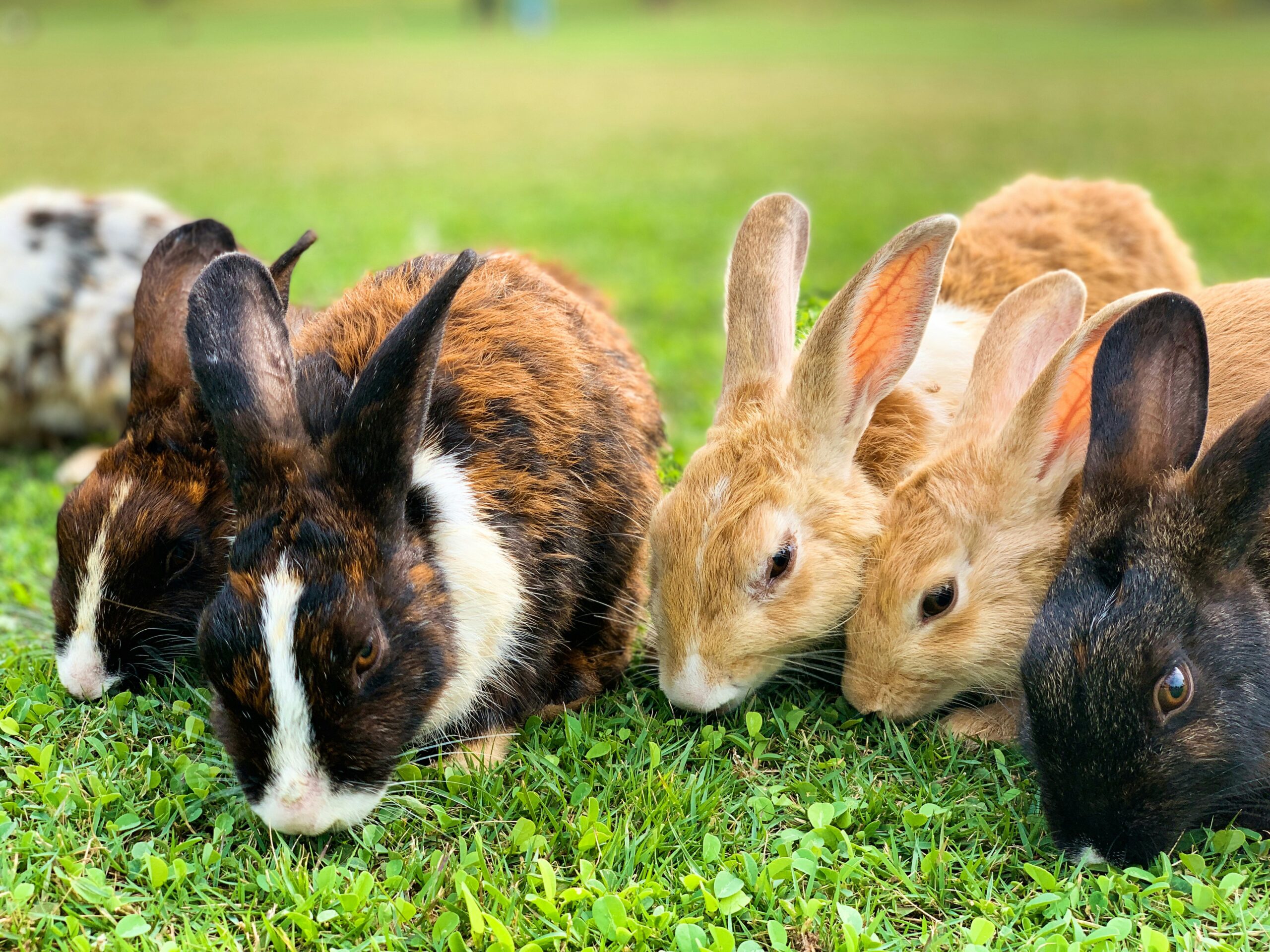
The Ultimate Guide to Raising Rabbits for Meat: Expert Strategies for Maximum Success
You’ve probably heard the buzz in homesteading circles: rabbits are the most efficient meat-producing animal you can raise on a small property. And if you’re reading this, you’re already past the “should I or shouldn’t I” phase—you’re ready to optimize your operation.
After years of raising rabbits for meat and consulting with commercial rabbit farmers worldwide, I can tell you that the difference between a frustrating hobby and a profitable, sustainable meat source comes down to understanding the nuances. This isn’t your typical beginner’s guide filled with fluff. We’re diving deep into the strategies, systems, and secrets that separate the amateurs from the experts in rabbit meat production.
Whether you’re scaling up from a few hutches to a commercial operation, looking to improve your feed conversion ratios, or simply want to streamline your breeding program, this guide will give you the actionable insights you need.
Why Raising Rabbits for Meat Makes Financial and Ecological Sense
Before we get into the technical details, let’s talk numbers—because if you’re serious about raising rabbits for meat, you need to understand the economics.
Rabbits offer a feed conversion ratio of 3:1 to 4:1, meaning they produce one pound of meat for every three to four pounds of feed. Compare this to beef at 6:1 or pork at 5:1, and you’ll see why commercial operations are taking notice. A single doe and her offspring can produce 200 pounds of meat annually—more than a beef calf—on a fraction of the land and feed.
Beyond economics, rabbit meat is lean, high in protein (21g per 3oz serving), and low in cholesterol. Your end consumers—whether that’s your family or restaurant clients—are getting premium nutrition.
Selecting the Right Breeds for Meat Production
Not all rabbits are created equal when raising rabbits for meat. Your breed selection will impact everything from feed costs to butcher yields.
Top Commercial Meat Breeds
New Zealand Whites remain the industry standard for good reason. They reach market weight (5 pounds) in 8 weeks, have excellent dress-out percentages (55-60%), and maintain consistent litter sizes of 8-10 kits. Their white fur is also commercially advantageous as it doesn’t leave dark follicle marks on the carcass.
Californians run a close second, with similar growth rates and the added benefit of better heat tolerance if you’re in a warmer climate. They’re slightly smaller framed, which some processors prefer.
Florida Whites are the perfect choice if you’re working with limited space. While smaller (4-5 pounds market weight), they’re incredibly efficient producers and their compact size means lower feed costs per animal.
Crossbreeding Strategies
Here’s where experienced breeders gain an edge: strategic crossbreeding. A Californian buck over New Zealand does often produces superior hybrid vigor, resulting in faster growth rates and increased disease resistance. Track your F1 crosses carefully—they’re your money-makers, but don’t breed F1 to F1 or you’ll lose the hybrid advantage.
Designing an Efficient Rabbitry System
Your housing setup can make or break your operation’s efficiency when raising rabbits for meat at scale.
Commercial Housing Considerations
Wire hanging cages remain the gold standard for serious meat production. I recommend:
- 30″ x 36″ for does with litter
- 24″ x 30″ for grow-out cages
- 14-gauge galvanized wire with 1/2″ x 1″ floor mesh
- 18″ height minimum (24″ preferred)
Position cages at waist height—your back will thank you after a few years. Implement a tiered system only if you have excellent ventilation and manure management. Otherwise, single-tier arrangements with a 3-4 foot working aisle are more practical.
Climate Control and Ventilation
Rabbits tolerate cold better than heat, but temperatures above 85°F seriously impact fertility and growth rates. If you’re in a warm climate, invest in:
- High-velocity fans (not just circulation fans)
- Misting systems for extreme heat
- Reflective roofing materials
- East-west building orientation to minimize solar gain
In cold climates, focus on draft elimination rather than heating. Healthy rabbits in good condition can handle temperatures well below freezing if they’re protected from wind and dampness.
Nutrition and Feed Management for Optimal Growth
Feed represents 70-75% of your costs when raising rabbits for meat, making nutrition management your highest leverage point for profitability.
Commercial Feed vs. Alternative Feeding
Commercial pellets (16-18% protein for grow-outs, 15-17% for maintenance) provide consistency and convenience. Look for:
- Timothy or alfalfa base (alfalfa for growing/lactating does)
- 2-3% fat content
- Stabilized vitamin C
- Consistent pellet size (inconsistent sizes indicate poor quality)
Buy in bulk when possible—I’ve negotiated 20% savings by ordering quarterly pallets directly from mills.
Alternative Feeding Systems
Advanced operations are successfully implementing fodder systems (sprouted barley), which can reduce feed costs by 30-40%. The setup requires climate control and daily labor, but the economics work at scale. Your conversion ratio takes a hit (closer to 5:1), but with feed costs 40% lower, margins often improve.
Colony grazing in tractors is viable for smaller operations in appropriate climates. Expect slower growth (10-12 weeks to market weight) but improved flavor profiles that command premium prices.
Breeding Programs That Maximize Production
Successful breeding programs require ruthless selection and careful record-keeping.
Breeding Schedule Options
Intensive breeding: Rebreed does 14 days post-kindling. This aggressive schedule produces 7-8 litters annually but requires excellent nutrition and management. Only use this with your most robust, proven does.
Standard breeding: Rebreed at 35 days (at weaning). This produces 5 litters annually and is more sustainable long-term. This is my recommended approach for most serious meat operations.
Rest breeding: Rebreed at 42-56 days post-kindling. Use this for older does, heat-stressed periods, or when growing out replacement stock from specific lines.
Selection Criteria
Track these metrics religiously:
- Litter size (born alive, weaned)
- Days to market weight
- Feed conversion (by litter, not individual)
- Mothering ability
- Temperament
Cull ruthlessly. A doe that consistently produces small litters or kits with poor growth rates is costing you money every day she occupies a cage.
Health Management and Disease Prevention
Prevention is everything when raising rabbits for meat. By the time you see symptoms, you’ve often lost profit margins.
Essential Health Protocols
Implement a closed herd policy. Every outside animal represents a disease risk. If you must bring in new genetics, quarantine for 30 days minimum in a completely separate location.
Daily observation is non-negotiable. Catching enteritis or respiratory issues 12 hours earlier can mean the difference between treating one animal versus losing an entire litter.
Watch for:
- Reduced feed consumption (first sign of nearly everything)
- Soft stool (should be firm, round pellets)
- Eye/nasal discharge
- Listlessness
- Wet chin (tooth problems or water system issues)
Vaccination and Treatment Strategies
In the US, vaccines aren’t commonly used for rabbits, but in Europe, RHD (Rabbit Hemorrhagic Disease) vaccination is standard. Given RHD2’s spread across North America, vaccination is becoming more relevant—discuss this with a rabbit-savvy veterinarian.
For coccidiosis prevention in grow-outs, many commercial operations use medicated feed with either robenidine or decoquinate. I prefer targeting treatment only when needed, using amprolium at first signs rather than continuous prophylactic medication.
Processing and Value-Added Opportunities
The difference between breaking even and profiting often comes down to processing efficiency and market access.
On-Farm Processing
If your state allows it and you’re selling direct, on-farm processing provides maximum margin. Your setup needs:
- USDA-compliant processing area (check state-specific requirements)
- Proper chilling capacity
- Vacuum sealing equipment
- Accurate scales
With practice, you can process a rabbit in 5-7 minutes. At scale, partner processing with a team member—one dispatches and skins, the other eviscerates and packages. This cuts time by 40%.
Market Options and Pricing
Direct to consumer via farmers markets or CSA programs typically yields $8-12/lb for whole rabbits. Emphasize the health benefits and sustainability story.
Restaurant sales offer consistent volume. Target upscale restaurants featuring local/sustainable menus. Build relationships with chefs—they’ll often take everything you can produce at $5-7/lb wholesale.
Pet food market: Raw feeding for dogs and cats is exploding. This provides an outlet for older breeders and any rabbits not suitable for human consumption at $2-4/lb.
Record Keeping and Performance Tracking
You cannot improve what you don’t measure. Advanced operations use KinTraks or similar software to track:
- Breeding dates and litter outcomes
- Feed consumption by cage
- Days to market weight
- Processing yields
- Financial metrics
Even simple spreadsheets work if you’re disciplined. The key metrics:
- Cost per pound produced (target: $2.50-3.50/lb depending on scale)
- Litters per doe per year (target: 4-5 minimum)
- Average litter size weaned (target: 7-8)
- Days to market weight (target: 8-10 weeks)
Scaling Your Operation Strategically
Moving from 10 does to 50+ requires systems thinking, not just more cages.
Labor Efficiency
At 30+ does, labor becomes your constraint. Optimize through:
- Automatic watering systems (saves 30+ minutes daily)
- Bulk feeders that hold 3-7 days of feed
- Standardized protocols for every task
- Batch management (breeding groups of does simultaneously)
Financial Planning
Most operations reach optimal efficiency at 50-100 does. Below this, fixed costs per rabbit are too high. Above 100 does, you’re entering commercial territory requiring facility investments, hired labor, and likely USDA processing.
Build incrementally. Reinvest profits into infrastructure before expanding breeding stock. A well-designed rabbitry for 50 does beats a cobbled-together setup for 100 does every time.
Sustainability and Welfare Considerations
Raising rabbits for meat ethically means maintaining high welfare standards while operating efficiently.
Provide:
- Adequate space (minimum standards are truly minimum—exceed them)
- Environmental enrichment (hay, chew blocks, platforms)
- Clean conditions (waste removal at least weekly)
- Comfortable temperatures
- Low-stress handling
Good welfare isn’t just ethical—it’s profitable. Stressed rabbits grow slower, breed less successfully, and are more disease-prone.
Common Mistakes Even Experienced Raisers Make
Over-complicating nutrition: Constantly switching feeds or adding supplements rarely improves results and often causes digestive upset. Find a quality feed and stick with it.
Keeping too many bucks: You need 1 buck per 10 does maximum. Extra bucks consume resources without producing.
Inadequate culling: Sentimental attachment to underperformers directly impacts your bottom line. Breed animals are production tools—treat them well, but make economic decisions.
Ignoring genetics: Raising rabbits for meat successfully requires continuous genetic improvement. Using the same lines year after year without selection leads to inbreeding depression and reduced productivity.
Frequently Asked Questions
Q: How much space do I need to raise 20 does for meat production?
A: For 20 does plus 3 bucks and grow-out space, you’ll need approximately 200-300 square feet of cage space. Factor in working aisles and feed storage, and you’re looking at a 400-500 square foot building minimum. This assumes you’re processing or selling at 8-10 weeks. If holding longer, increase space accordingly.
Q: What’s the realistic profit margin per rabbit?
A: With efficient management, expect $10-15 profit per meat rabbit sold direct to consumer. At 5 litters per doe annually, averaging 7 weaned per litter, that’s $350-525 profit per doe per year. Wholesale to restaurants drops this to $5-8 per rabbit. These figures assume you’re valuing your labor minimally—add labor costs if scaling commercially.
Q: How do I prevent enteritis, the biggest killer of meat rabbits?
A: Enteritis (digestive upset) prevention focuses on: consistent, quality feed (never sudden changes), clean water systems (change weekly minimum), stress reduction (proper handling, stable environment), appropriate weaning age (6 weeks minimum), and avoiding high-carb treats. When introducing new feeds, transition over 7-10 days. Some operations add apple cider vinegar to water (1 tablespoon per gallon) weekly, though scientific evidence is limited.
Q: Should I raise rabbits in cages or colonies for meat production?
A: For serious meat production, cages are superior. They provide better disease control, allow individual monitoring, simplify breeding management, and improve sanitation. Colonies work for small-scale operations where you’re prioritizing animal behavior over production efficiency. You’ll sacrifice some growth rate, have more fighting/dominance issues, and face challenges tracking parentage. Colony works; cages work better for production goals.
Q: What’s the best way to find consistent buyers for rabbit meat?
A: Start by identifying your state’s regulations (some require USDA processing for sales, others allow on-farm processing for direct sales). Then pursue multiple channels: farmers markets for direct sales, restaurant cold-calling (focus on farm-to-table establishments), ethnic markets (rabbit is common in many cuisines), and raw pet food communities. Building a waiting list before scaling prevents the “too many rabbits” problem. Expect 3-6 months to establish consistent buyers.
Conclusion: Building Your Successful Rabbit Meat Operation
Raising rabbits for meat successfully comes down to mastering the fundamentals—genetics, nutrition, health management, and business planning—then optimizing relentlessly. The rabbits themselves are relatively easy; the systems that surround them determine your success.
Start where you are. If you’re at 10 does, focus on perfecting your breeding program and tracking your metrics before expanding. If you’re already at scale, look for the highest leverage improvements: feed costs, processing efficiency, or market development.
The rabbit meat market is growing as consumers seek sustainable, locally-produced protein. Those who approach raising rabbits for meat with professional systems and attention to detail are positioned to meet this demand profitably.
Your next step: Audit your current operation against the benchmarks in this guide. Identify your biggest constraint—whether that’s genetics, facilities, nutrition, or markets—and address it before moving to secondary concerns. Excellence in rabbit meat production comes from systematic improvement, not random action.
What will you optimize first in your operation? The most successful rabbit meat producers I know share one trait: they’re always improving their systems. Start today, measure your results, and join the ranks of professional rabbit meat producers who are building sustainable, profitable operations.