
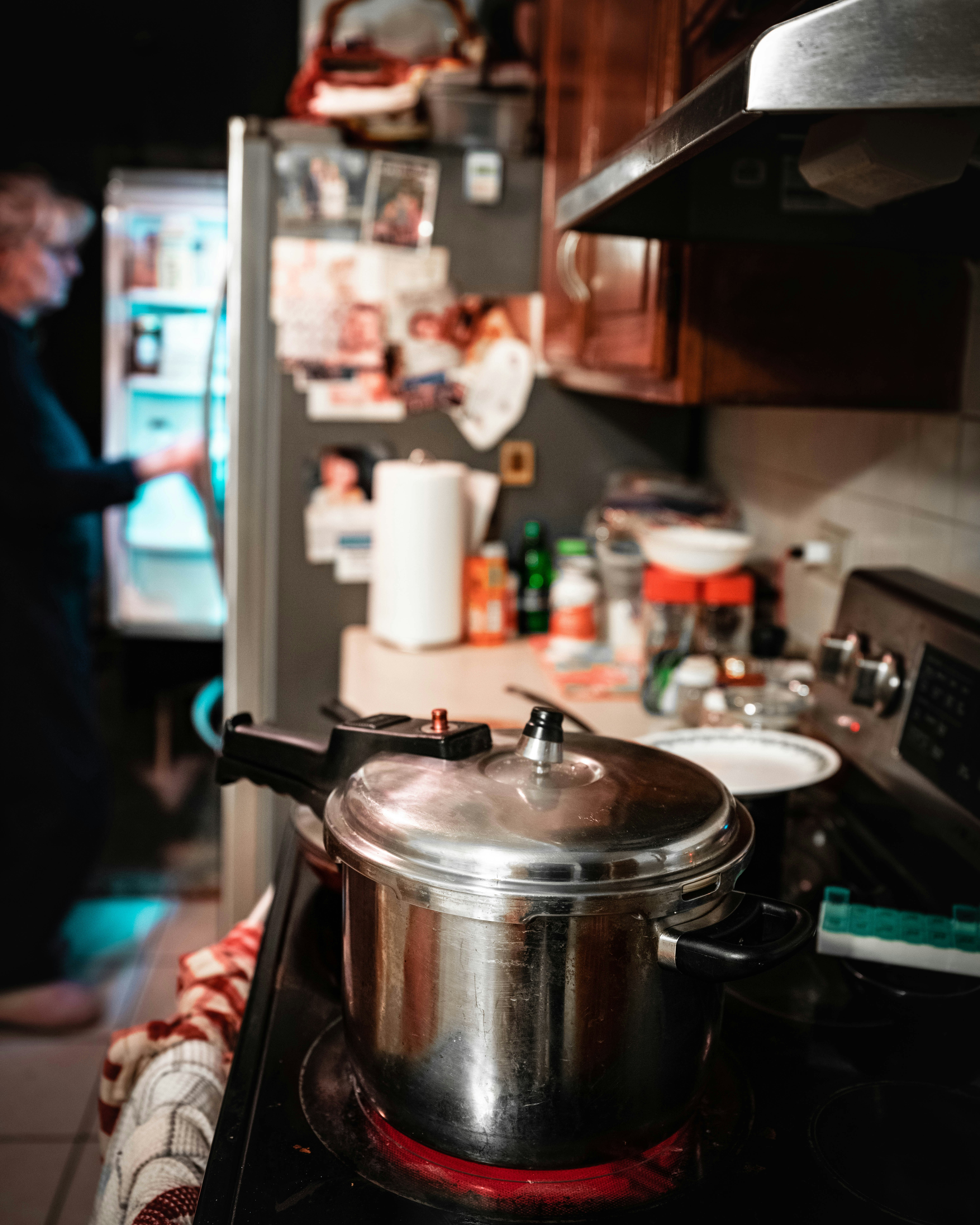
A dial gauge reading two pounds high is the difference between a processed jar and an underprocessed one, and the only way to know is to have it tested. The National Center for Home Food Preservation says to check dial gauges for accuracy before use each year, and gives the reason in one line: gauges that read high cause under-processing and may result in unsafe food. Testing happens at three reference points, 5, 10 and 15 pounds. Off by more than 2 pounds at any of them and the gauge gets replaced. Off by less and you can adjust for it.
Where to get it tested
Presto tests gauges at no charge for Presto, National, Magic Seal and Maid of Honor canners, according to University of Minnesota Extension. Wisconsin Aluminum Foundry handles All American models. Plenty of county extension offices test them as well, and University of Wisconsin Extension tells people to do it every year. A gauge also needs retesting outside that schedule if it has been dropped or submerged, if the glass is broken or missing, if any parts have rusted, or if the pointer no longer sits on zero. Penn State adds a blunter rule: never put a dial gauge under water.
Weighted gauges are a different animal
They do not get tested at all. Minnesota Extension explains why. The weights are solid pieces of metal with no moving parts. Penn State comes at it from the other side, saying a weighted gauge falls out of calibration only if it is chipped or bent, which seldom happens. The tradeoff shows up at altitude. NCHFP notes that weighted gauges cannot correct precisely for higher elevations, because they only come in 5, 10 and 15 pound steps, so above 1,000 feet you jump from 10 straight to 15 and overshoot. A dial gauge can track your actual elevation. A weighted gauge never will.
The altitude table
For low-acid foods, the USDA Complete Guide to Home Canning sets dial-gauge pressure at 11 pounds from sea level to 2,000 feet, 12 pounds to 4,000, 13 to 6,000 and 14 to 8,000. The published table stops there. Above 8,000 feet USDA gives no figure, and extrapolating one is your own invention rather than a tested process. Weighted gauges get two settings for the same foods. Ten pounds up to 1,000 feet, then 15 above it. Fruit processed in a pressure canner runs a lower set, starting at 6 pounds dial and 5 pounds weighted.
One correction, because this one gets repeated constantly. At altitude you raise the pressure. You do not add minutes. Added time is the boiling-water-canner adjustment, and swapping the two leaves low-acid food underprocessed at whatever pressure it was actually held at.
Ten minutes of venting, every time
All types of pressure canners must be vented 10 minutes before they are pressurized. That is NCHFP, and the sentence contains no exceptions. Leave the weight off the vent port or the petcock open, heat on high until steam flows freely, let it run a full 10 minutes, then close it up. Skipping the step is not a time saver. Air trapped in a closed canner lowers the temperature reached at any given pressure, and NDSU Extension describes the mechanism in four words: air acts as an insulator. Your gauge will read 11 pounds while the food sits well under 240 degrees. Wisconsin Extension notes the problem runs worst in dial-gauge canners packed raw, which trap the most air of any combination.
Why boiling water cannot do this job
Low-acid foods have to reach 240 to 250 degrees F to destroy Clostridium botulinum spores. Water boils at 212. Penn State makes the point that boiling longer changes nothing, since water evaporates rather than climbing past its boiling point. NCHFP puts a number on what the substitution would cost even in theory: low-acid foods take 20 to 100 minutes in a pressure canner, and the boiling-water equivalent would run 7 to 11 hours. No such process exists. The dividing line is pH 4.6, and it puts red meats, seafood, poultry, milk and every fresh vegetable except most tomatoes on the pressure side of it.
Spoilage gives you nothing to work with here. Penn State states it directly: botulinum toxin does not change the appearance of the food, the smell, or the color. A sniff test is not a test.
If the pressure drops
Bring it back up, then start the timing over from the beginning using the full original process time. Not the remaining minutes. Not a few extra tacked on to cover the gap. That instruction appears in identical wording in the NCHFP factsheet and in USDA Guide 1, which is about as close to unanimous as home canning guidance ever gets.
Cooling is part of the process
Do not run cold water over the canner, and do not crack the vent before it has fully depressurized. NCHFP lists what forced cooling causes: food spoilage, liquid loss from the jars, seal failures, and a warped canner lid. Older heavy-walled canners take roughly 30 minutes to come down loaded with pints, 45 with quarts. Once it is fully depressurized, take the weight off, wait 10 minutes, then unfasten the lid. Come-up and cool-down time is counted inside the validated process rather than added on top of it, which is the reason rushing either end changes the outcome.
The electric canner question
NCHFP does not support USDA canning processes in electric multi-cookers carrying a canning or steam-canning button. The objection is specific. No USDA thermal process work has been done with jars inside those appliances, tracking actual temperatures inside the jars through the run. NCHFP’s own phrasing is the line to remember: what matters is temperature, not pressure. A display reading 11 psi is no evidence the food got to 240 degrees.
Size is part of it too. To count as a pressure canner for USDA processes the unit has to hold at least four quart jars standing upright with the lid on. Smaller cookers hold less metal and less water, so they heat and cool faster. Those phases are built into the published process times. NCHFP is direct about the consequence: the heat from the process time at pressure alone may not be enough to destroy the targeted organisms. Pressure saucepans are excluded outright.
There is a live disagreement here worth knowing about. NDSU Extension states that the Presto Precise digital pressure canner is approved and works by sensing temperature rather than pressure. Penn State mentions the same class of appliance and then says USDA and NCHFP endorse no canner at all. Both are current extension guidance and they do not reconcile. The honest reading is that one extension service has vetted one specific machine while the national program endorses nothing, so anyone claiming USDA approved their canner is overstating what USDA does.
The parts that fail quietly
Penn State puts gasket replacement at every three years under normal use, and the test is whether it seats around the lid with no gaps for steam to escape. Steam leaking anywhere except the vent port means the gasket is finished. Keep gaskets clean, dry and free of grease. Run a pipe cleaner through the vent pipe before the season starts, because a clogged vent can build pressure the dial never registers, or stop the weight jiggling entirely. Do not scratch the safety plug while cleaning the lid.
Dry canning
Canning vegetables with no liquid in the jar sits on the not-recommended list at both NCHFP and Penn State. Without liquid, heat moves through the jar by conduction, which is slower, and Penn State gives the consequence: the possibility exists that C. botulinum spores may not be destroyed. The same term also covers heating dry goods in jars in an oven, separately listed as unsafe. Both versions circulate as clever storage tricks, and neither has a tested process behind it.
Sources
- NCHFP, Recommended Canners
- NCHFP, Preserving Food: Using Pressure Canners
- USDA Complete Guide to Home Canning, Guide 1: Principles of Home Canning
- USDA Complete Guide to Home Canning, Guide 4: Vegetables
- NCHFP, Ensuring Safe Canned Foods
- NCHFP, Canning in Electric Multi-Cookers
- NCHFP, Canning in Pressure Cookers
- NCHFP, Equipment and Methods Not Recommended
- University of Minnesota Extension, Testing Dial Pressure Canner Gauges
- Penn State Extension, Pressure Canner Checklist
- Penn State Extension, Buying a Pressure Canner
- Penn State Extension, Time, Temperature and Pressure in Canning Foods
- Penn State Extension, Dry Canning Is Not Recommended
- University of Wisconsin Extension, Using and Caring for a Pressure Canner
- NDSU Extension, Pressure Can It Right
- UGA Extension C1344-02, Using Pressure Canners