
food preservation
-
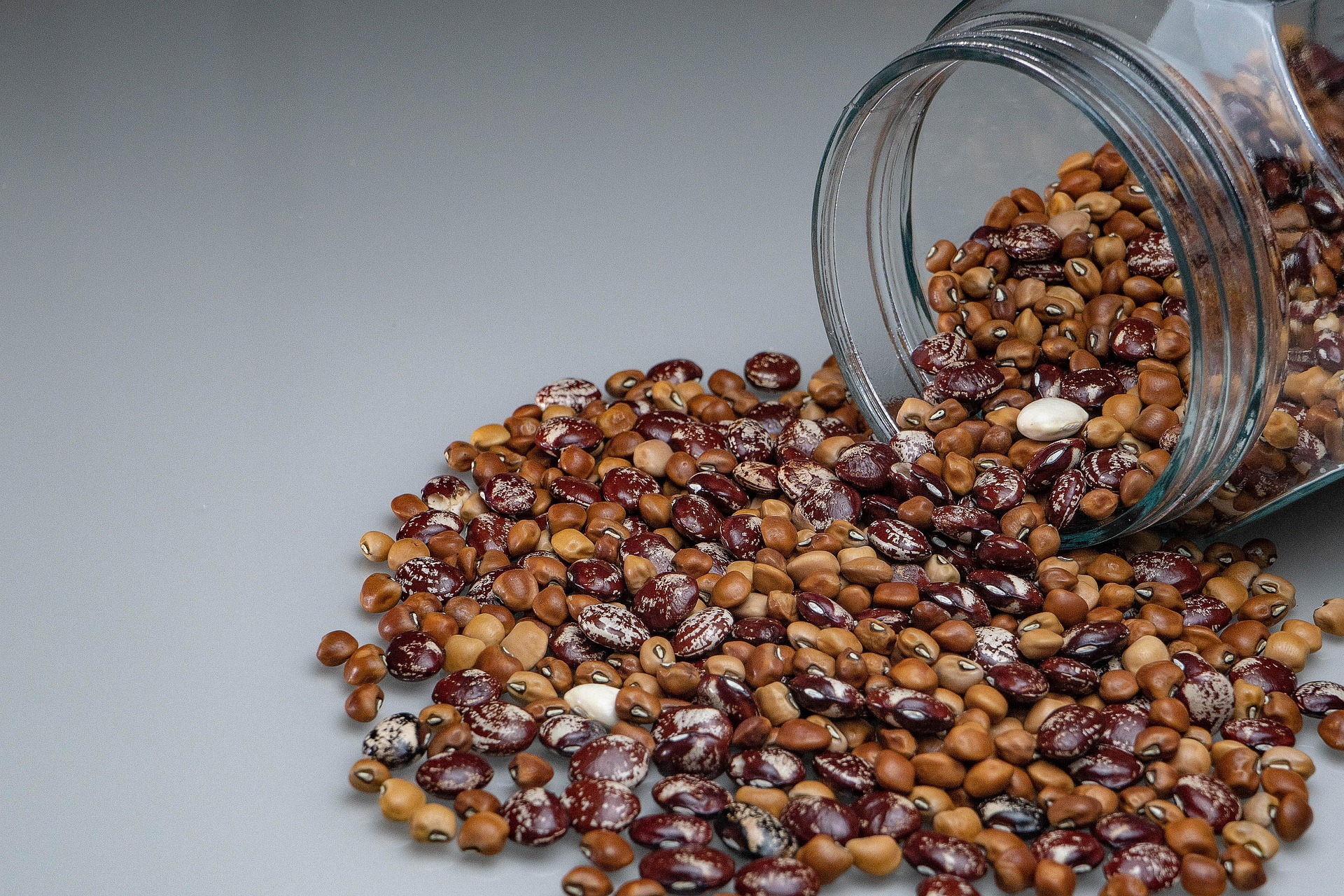
Canning Dried Beans at Home
The tested process is 75 minutes for pints and 90 for quarts, hot pack only. Everything that goes wrong happens before the jars reach the canner.
-
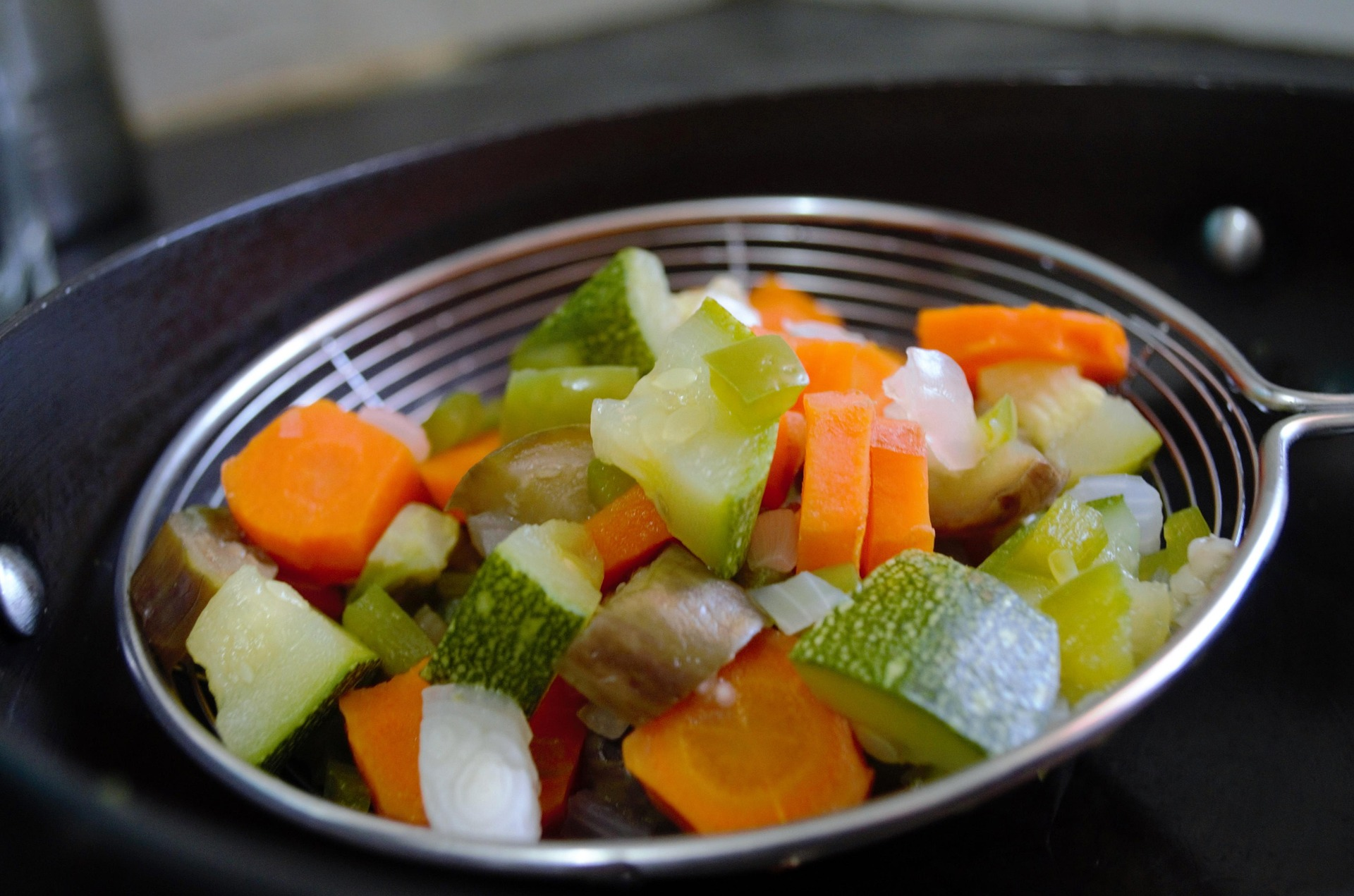
Freezing the Last of the Garden
Under-blanching is worse than not blanching at all, which makes the timer the whole job. The reference times, the one extension table with a conversion error in it, and the microwave recommendation that nobody updated after the trials came back.
-
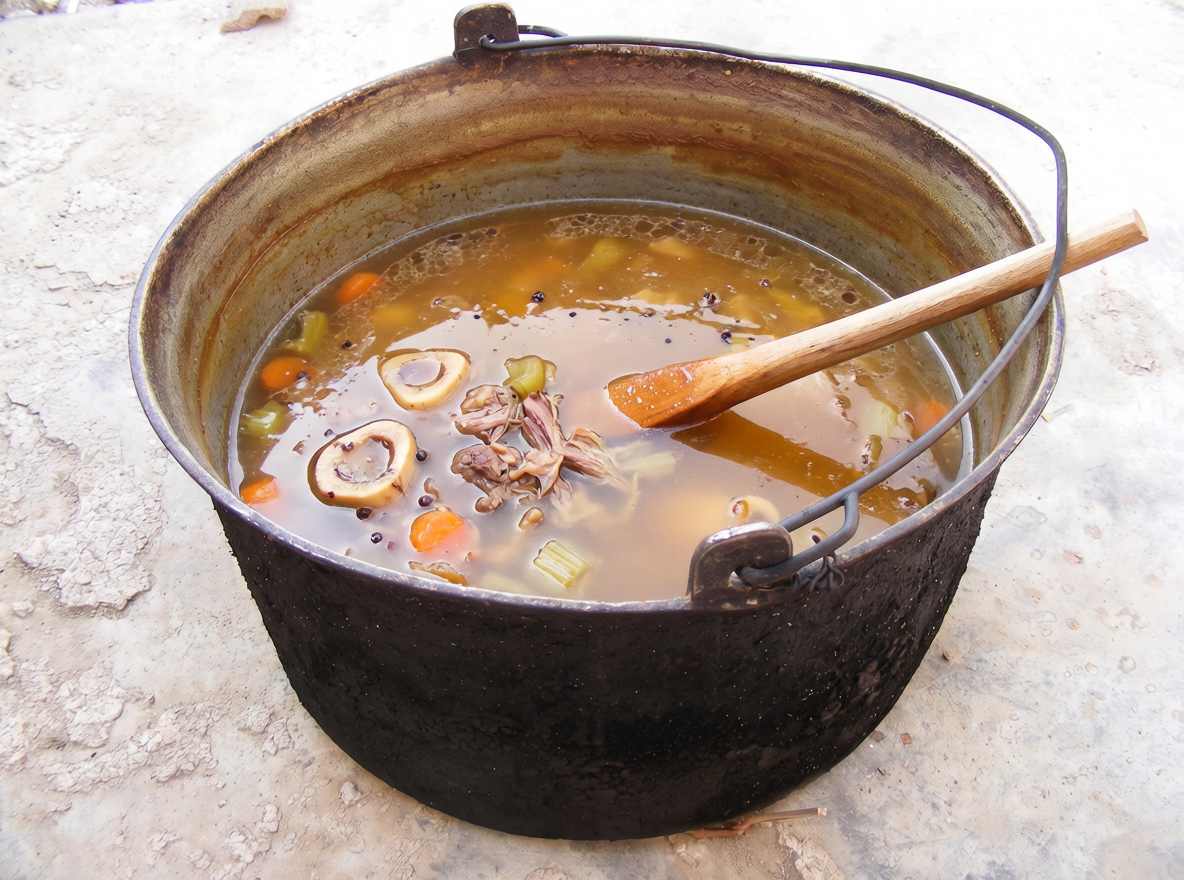
Canning Stock and Broth at Home
Stock is 20 minutes for pints. Soup is 60. Both numbers are in the same USDA guide, and vegetable broth has no tested process at all.
-
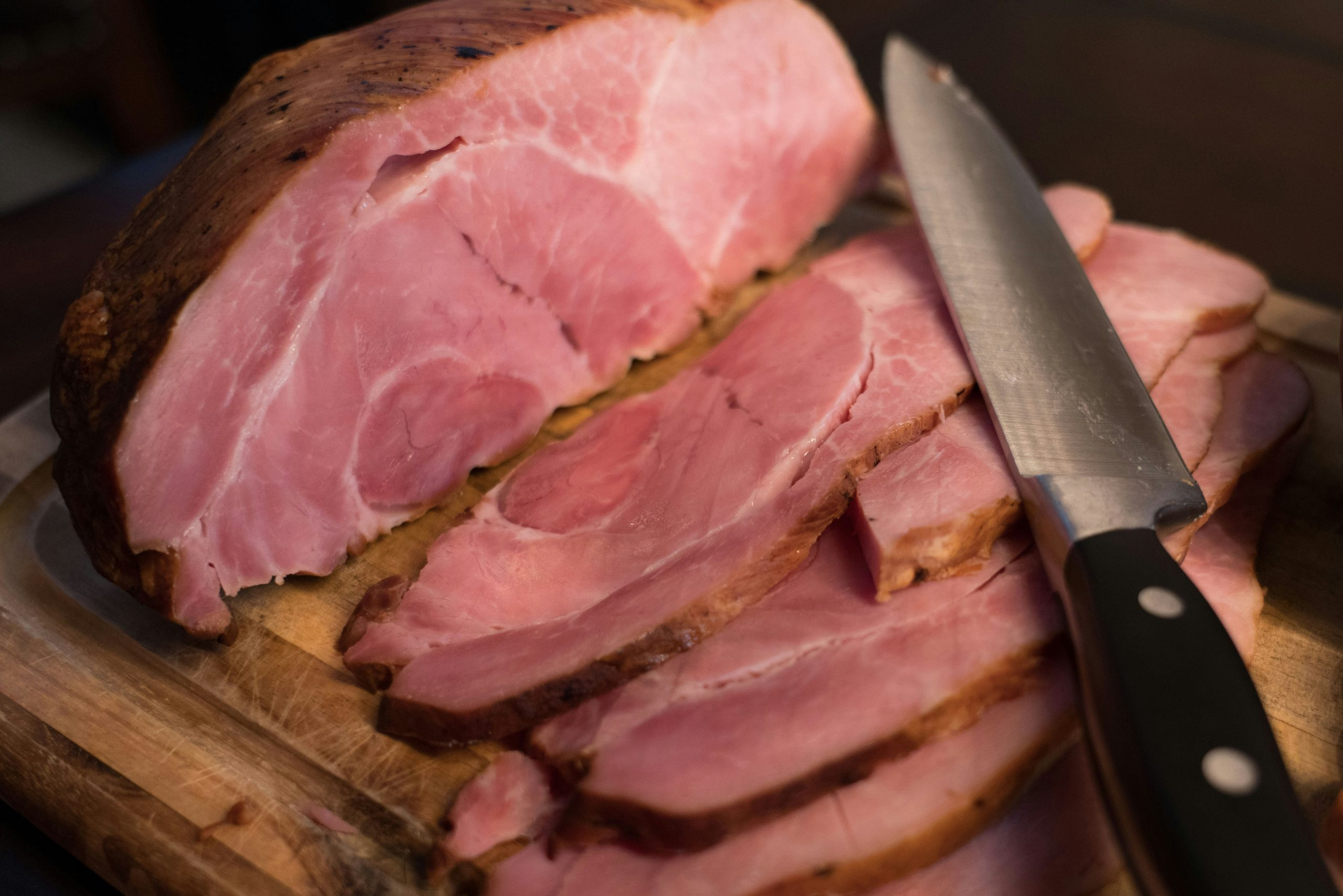
Curing Bacon and Ham at Home
The nitrite limit depends on which curing method you use, the freezing rule everyone cites was repealed in 2018, and one extension bulletin prints a bacon formula its own page says is illegal.
-
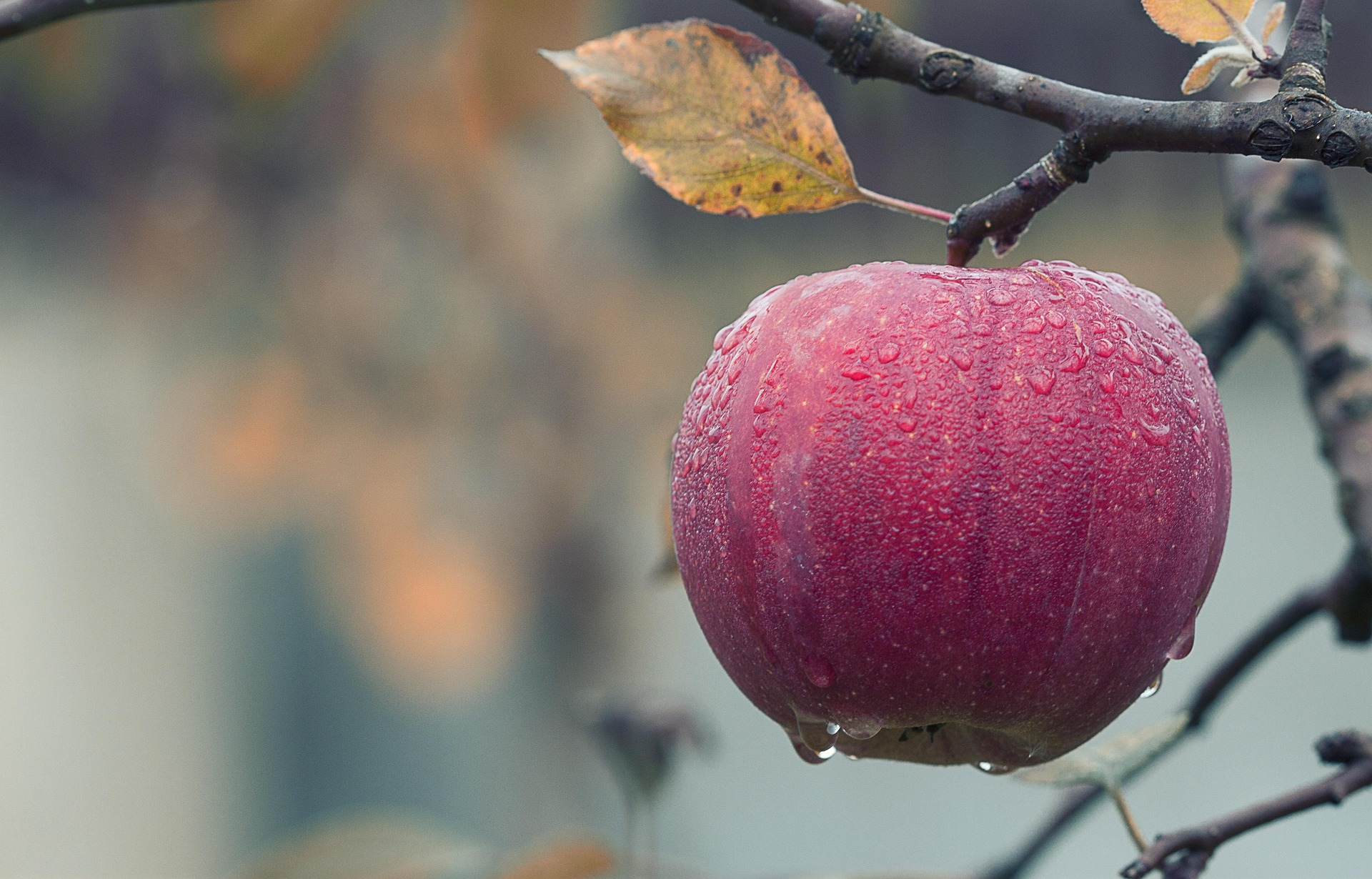
Storing Apples Through the Winter
One day at 70 degrees before the apples go cold costs McIntosh seven to ten days of storage life. Picking date and cultivar decide the rest, and 32 degrees is the wrong answer for several named varieties.
-
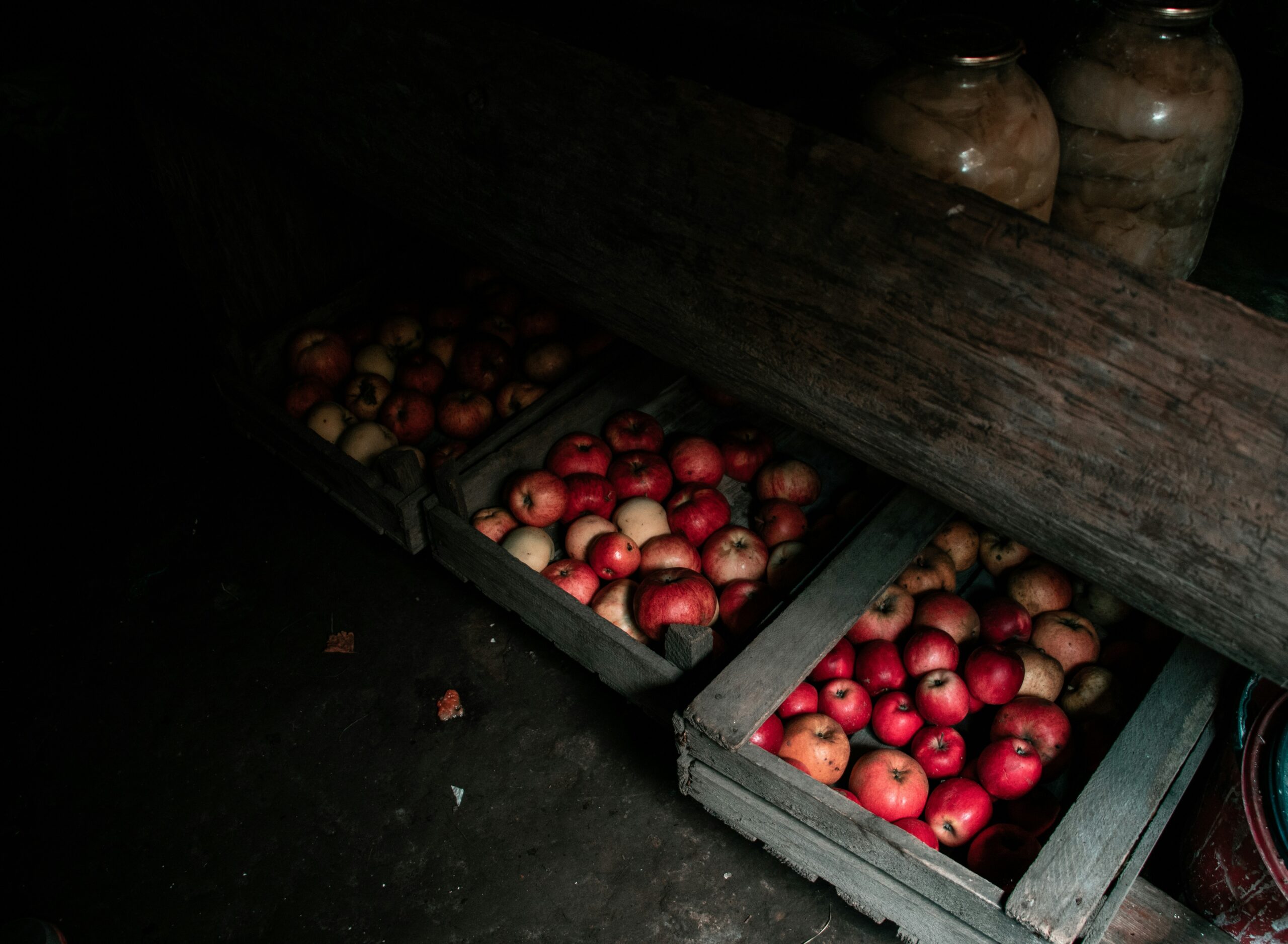
Root Cellaring Without a Root Cellar
A heated basement runs 50 to 60 degrees and dry. That suits squash. It ruins carrots, and sorting the two out is most of the job.
-

Pressing and Storing Apple Cider
Drop apples, the pasteurizing temperature the sources argue about, and the tested process for canning cider.
-
Testing and Using a Pressure Canner
Gauge testing, altitude pressures, the ten-minute vent, and the equipment questions that decide whether a jar of green beans is safe.
-
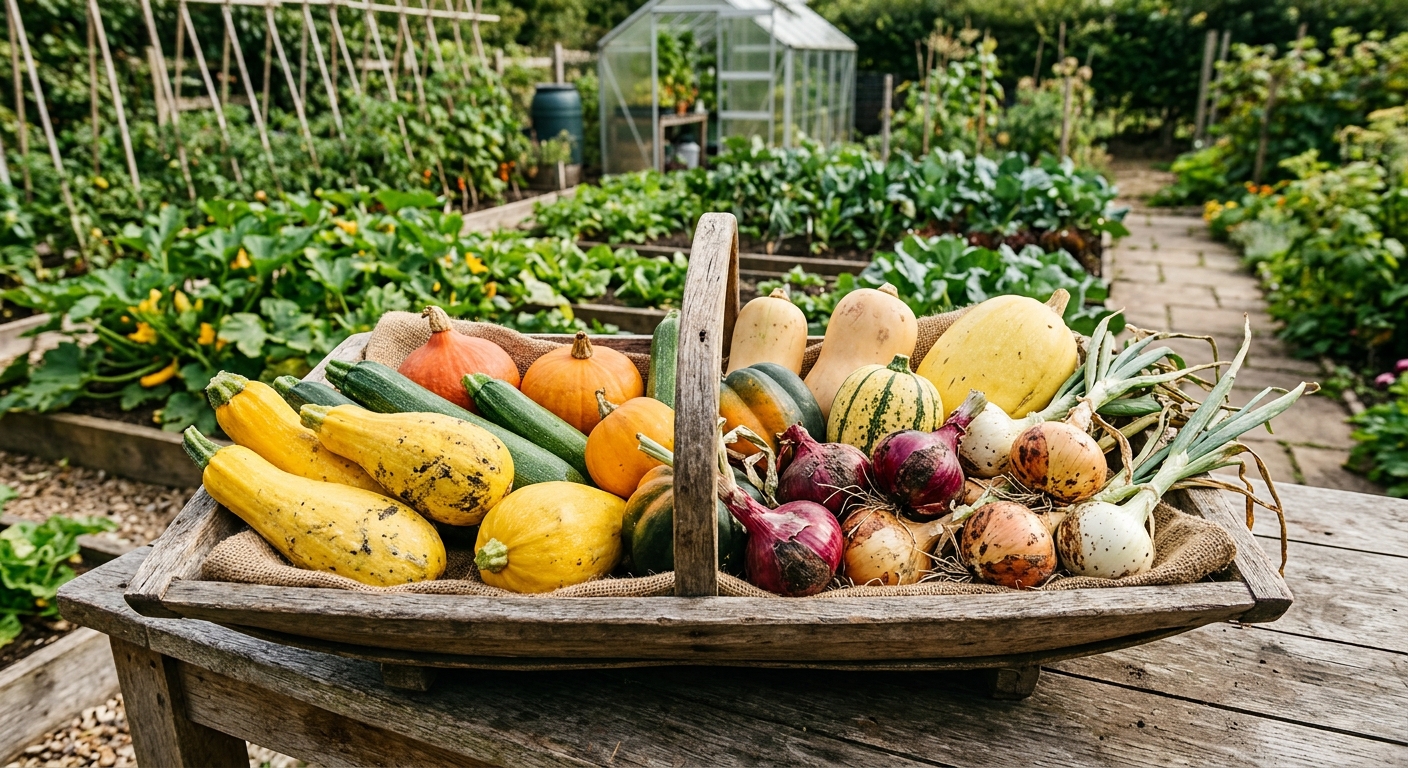
Curing Squash and Onions for Storage
The curing numbers, the 45-to-50 degree disagreement that decides whether your basement works, and why the neck of an onion matters more than the tops.
-
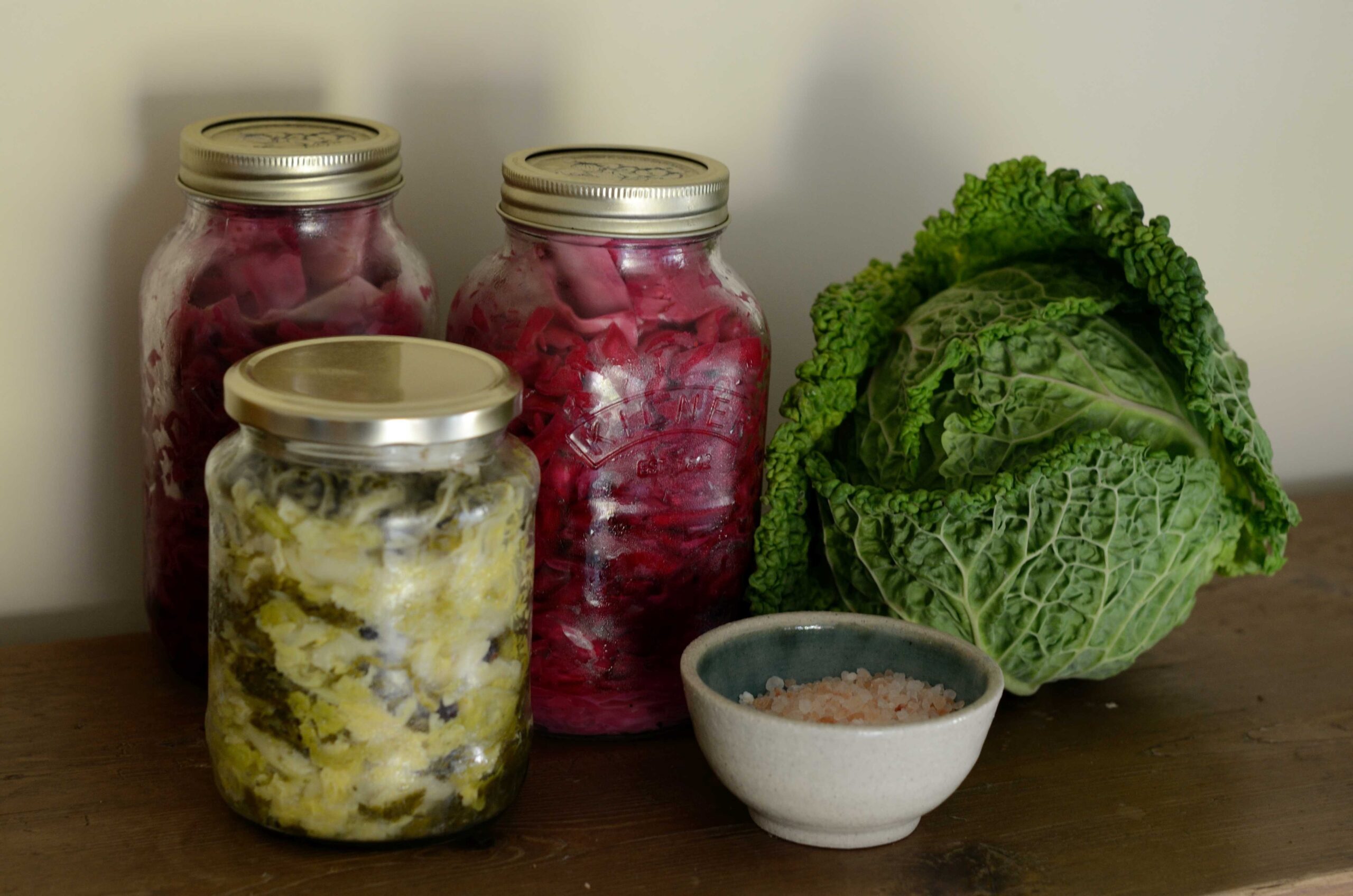
Fermenting Vegetables in a Crock
Salt ratio, temperature, and time are the three things holding a ferment on the safe side. None of the three is adjustable to taste.